
Completing a residential treatment program is a massive victory on the road to long-term sobriety. However, leaving a highly structured environment to return home can feel both exciting and deeply overwhelming for patients and their families. Maintaining clinical support during this critical transition is essential to protect your hard-earned progress and prevent relapse.
Stepping down from residential rehab to IOP in Sarasota provides a structured continuum of care that helps patients transition safely from 24-hour treatment to independent living. An intensive outpatient program offers clinical support, group therapy, and holistic healing while you live at home.
Making this transition requires a clear understanding of what lies ahead for both the patient and their loved ones. If you are preparing to transition or helping a family member plan their next steps, learning about the process can make the shift feel manageable and secure. Understanding the foundational concepts of this care model is the first step toward a successful transition.
What Does Stepping Down from Residential Rehab Mean?
Completing a residential treatment program is a major milestone in your recovery journey. But leaving a facility with 24/7 care can feel like a sudden shift. In the field of addiction medicine, a planned transition is known as step-down care. This approach reduces the level of clinical structure in stages rather than discharging you all at once. It helps you stay on track and maintain your momentum as you return to daily life.
The Continuum of Care
The transition from inpatient care to outpatient services is part of a standard healthcare model. The American Society of Addiction Medicine (ASAM) defines these stages as levels of care. Residential treatment provides a highly controlled environment. Stepping down to an intensive outpatient program (IOP) offers a middle ground. It lets you live at home while still receiving professional clinical support several days each week. This step-down process ensures you do not lose the progress you made in inpatient care.
Why Gradual Transition Prevents Relapse
Research shows that keeping a steady connection to treatment is key to long-term success. According to the National Institutes of Health (NIH), a structured continuum of care is vital for people who finish residential programs. When you step down from residential rehab to IOP, you do not face real-world stressors alone. You can test your new coping tools in daily life while having a safe place to discuss challenges with peers and therapists. This ongoing support lowers the risk of relapse during a vulnerable time.
Building Real-World Recovery Skills
Stepping down to a local outpatient program helps you build and practice recovery skills in your actual living environment. Instead of practicing in a closed facility, you learn to manage daily stress, work demands, and family life in real time. This hands-on practice builds your confidence and helps you establish healthy, lasting routines in your home community.
Why Is IOP the Most Common Step-Down Level of Care?
Completing residential treatment is a major milestone, but returning straight to daily life without support can feel overwhelming. Research shows that intensive outpatient programs (IOP) provide a structured continuum of care, serving as a critical step-down option for people who have completed more intensive levels of treatment. An IOP acts as a bridge that lets you practice new coping skills in real-world environments while maintaining clinical support.
Balancing Clinical Support and Personal Freedom
An intensive outpatient program gives you the perfect balance of therapeutic structure and real-world freedom. Unlike residential programs where you live at the facility, an IOP lets you live at home and stay connected to your loved ones. This step down from residential rehab to IOP in Sarasota provides a safe space where you can face real-life stressors and immediately bring those challenges back to your therapy group for feedback.
With clinical hours ranging from 9 to 20 hours per week, you get high-level care without losing your independence. This schedule makes it possible to return to work, go to school, or handle family duties in Sarasota. At CenterPointe, we make this balance even easier by offering evening scheduling options, so your treatment fits around your busy life.
Group Therapy as the Core of IOP
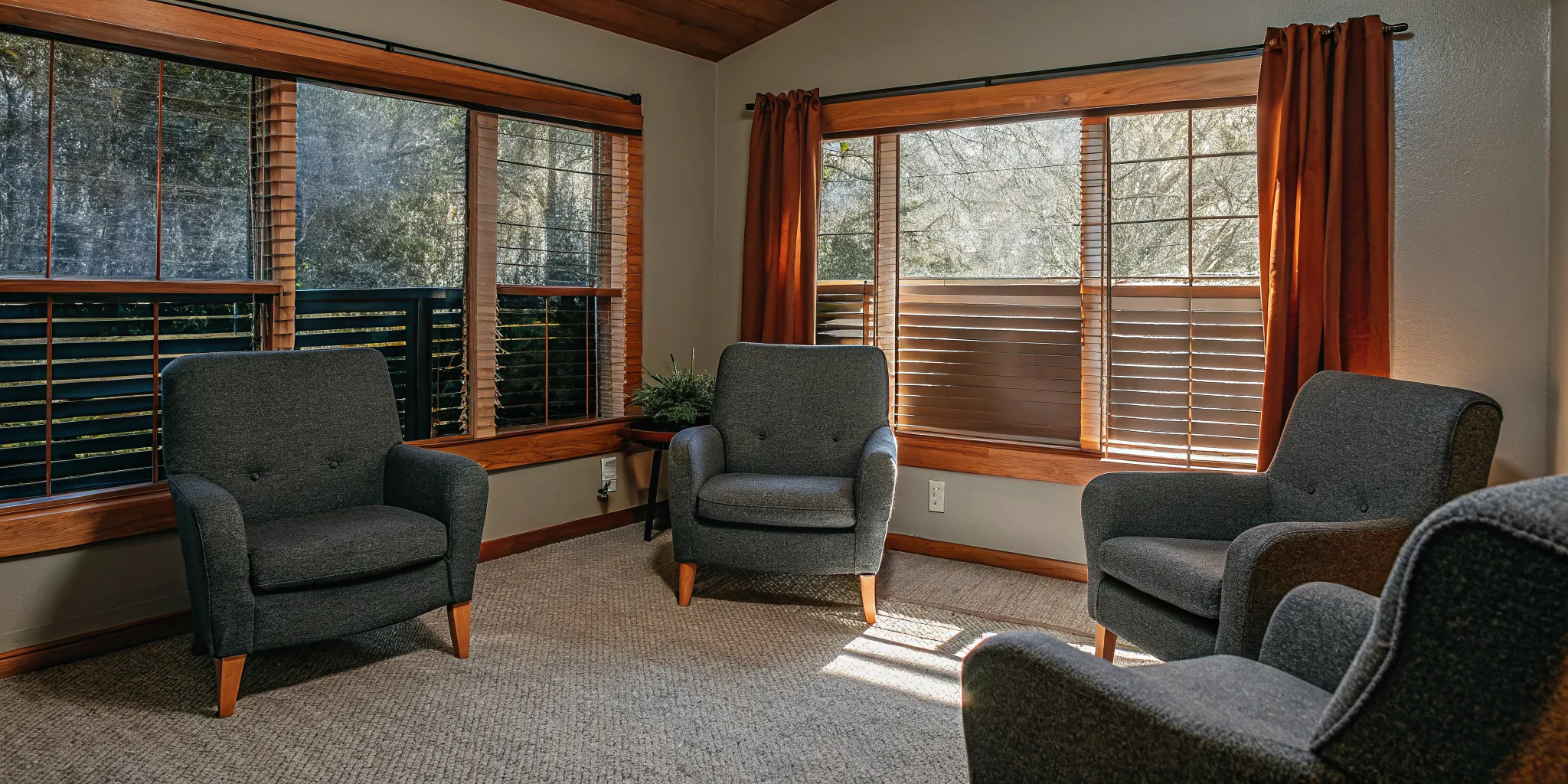
In an IOP, group therapy is the primary way clients heal and grow. Group sessions let you connect with peers who understand the unique challenges of early recovery. Sharing your story and listening to others helps reduce the sense of isolation that often follows inpatient treatment.
We believe that small group sizes are essential for high-quality care. CenterPointe keeps its IOP groups limited to just 8 to 10 people. This small group size ensures that every person gets the personal attention they need while still building a strong, supportive peer network.
How IOP Compares to Other Levels of Care
Choosing the right level of care is a vital decision for your long-term success. The table below outlines how IOP differs from partial hospitalization programs (PHP) and standard outpatient therapy, helping you see why it is the preferred step-down option for most people in recovery.
| Level of Care | Weekly Time Commitment | Living Arrangements | Best Suited For |
|---|---|---|---|
| Partial Hospitalization (PHP) | 20 or more hours per week | Sober living or home environment | People needing daily medical or clinical oversight without 24-hour confinement. |
| Intensive Outpatient (IOP) | 9 to 20 hours per week | Independent living at home | Individuals transitioning to an intensive outpatient program after residential care to rebuild daily routines. |
| Standard Outpatient | 1 to 5 hours per week | Independent living at home | Clients who have stabilized and need ongoing, low-intensity maintenance support. |
A typical IOP lasts for 8 to 12 weeks, though the exact duration depends on your individual progress. By committing to this transitional phase, you ensure that you do not rush your recovery, giving yourself the time and space needed to build lasting sober habits.
How Does CenterPointe Support Patients Transitioning from Inpatient Treatment?
Leaving a residential facility can feel like a major shift. The sudden change in structure from 24-hour monitoring to independent living can create stress. CenterPointe Counseling and Recovery helps you manage this shift by offering a structured step down from residential rehab to IOP in a supportive environment. This level of outpatient care keeps your recovery on track while letting you apply your coping tools in your home environment. Research shows that structured outpatient settings are critical for helping people maintain therapeutic gains while returning to daily life, as detailed by the National Institutes of Health.
Small Group Settings and Direct Therapist Access
Many outpatient centers use large group sessions where patients can feel lost. At CenterPointe, we limit our intensive outpatient groups to small sessions of eight to ten people. This small size makes sure you receive personal attention and can build strong bonds with others in recovery. You will also benefit from direct access to your primary therapist, which is a key part of our focus on personal care. This regular, close contact helps you address your personal goals and adjust your care plan as your recovery needs change.
Expert Clinical Leadership and Dual-Diagnosis Care
Our clinical team is led by Clinical Director Carrie Phelps, LMHC, LMT, CST-T, who brings more than thirty years of healthcare experience to our center. Under her guidance, we provide full support for co-occurring mental health conditions alongside substance use care. This dual-diagnosis focus is vital because lasting recovery requires treating the root causes of addiction, such as trauma, anxiety, or depression. Our team coordinates your clinical care to ensure all aspects of your mental health receive proper attention during your transition.
Holistic Mind-Body Support with MindSpa
True healing requires caring for your body as well as your mind. To support this process, we integrate advanced clinical care with the holistic therapies available through MindSpa. These alternative services help calm your nervous system and reduce the stress of your transition. Our patients have access to neurofeedback, CranioSacral therapy, and acupuncture. You can also use massage, a FAR infrared sauna, and sensory floatation tanks to ease tension and improve your physical well-being. These therapies help restore balance to your brain and body as you transition to outpatient life.
What Does the First Week of IOP After Residential Rehab Look Like?
Moving from a full-time care facility to an outpatient plan is a big step. This change helps you practice your real-world recovery tools while keeping a strong support system. When you step down from residential rehab to IOP in Sarasota, your first week is all about building a safe, predictable routine.
An intensive outpatient program (IOP) gives you structured support without 24-hour supervision. Research shows that a smooth continuity of care helps prevent relapse and supports long-term healing. Here is what you can expect during your first seven days in the program.
The Intake Assessment
- Clinical Intake and Evaluation
Your first day starts with a private meeting with a licensed therapist. The team reviews your treatment history and physical health to build your recovery plan. This session is confidential and follows strict privacy laws to protect your personal history.
- Program Orientation
You will learn the weekly schedule, program rules, and campus layout. The therapist will help you set up your weekly schedule, which usually includes three-hour sessions, three evenings per week. This flexible schedule is designed to help you balance your job or family duties with your care.
- First Therapy Sessions
You will join your first small group session and meet individually with your counselor. Group sizes are kept small, with only 8 to 10 people, to make sure you get personalized attention. These small sessions help you build trust and share struggles with others who understand your journey.
- Holistic Therapy Introduction
You will get an introduction to alternative therapies that support your mind and body. At CenterPointe, this includes plans like neurofeedback, massage, acupuncture, or CranioSacral therapy. These non-clinical methods work alongside traditional therapy to help reduce stress and calm your nervous system.
- Family Orientation Session
Your loved ones are invited to a family education meeting. This session helps your family understand the recovery process and learn how to support you at home. This step builds a healthier home environment for your long-term wellness.
- Setting Your Weekly Routine
By the end of the week, you will have a clear schedule that fits into your daily life. Transitioning to an outpatient setting lets you practice new recovery skills in your home environment. You will leave your first week with a solid plan, professional guidance, and a supportive community by your side.
How to Verify Your Insurance Covers Step-Down IOP in Florida
Planning your transition from a residential center to outpatient care requires clear steps. Navigating insurance plans can feel hard, but understanding your benefits helps you avoid unexpected costs. Knowing how to verify coverage for a step down from residential rehab to IOP in Sarasota makes the transition smooth.
Understand Your Outpatient Insurance Benefits
Most private health insurance plans cover outpatient substance abuse treatment under mental health and behavioral health services. Under federal law, private health plans must provide benefits for mental health and substance use disorders that are equal to medical and surgical benefits. This rule means your plan should cover outpatient programs like an intensive outpatient program (IOP) if it covers other outpatient medical care. You can learn more about these federal guidelines on the Medicaid.gov portal, which hosts resources on health insurance laws.
Accepted Private Insurance Carriers
CenterPointe Counseling and Recovery is in-network with many major private health insurance providers to keep your care affordable. Verified plans include Blue Cross Blue Shield (BCBS), Aetna, Cigna, United Healthcare, Meritain Health, and Magellan Healthcare. We also accept military and veteran coverage options, including Tri-Care and VA Community Care. Please note that CenterPointe does not accept Medicare or Medicaid. If you have a private plan with any of our accepted carriers, your transition to outpatient care may be fully or mostly covered.
The Free Insurance Verification Process
To find out exactly what your policy covers, you do not have to spend hours on hold with your insurance company. Our clinical team provides a free insurance verification service to handle the details for you. We will call your carrier, verify your benefits, and explain any co-pays, deductibles, or out-of-pocket costs before you start. This verification helps you make clear decisions about your next steps in recovery. To start your free insurance verification and plan your transition, you can schedule a free consultation online or call us directly at (941) 488-4811.
Frequently Asked Questions
What is the benefit of stepping down from residential rehab to IOP?
Stepping down provides a structured transition that helps prevent relapse. According to the National Institutes of Health, transitioning to outpatient care lets you practice new recovery skills in your daily living environment. This approach maintains clinical support while you rebuild your normal routine and personal life.
How long does a step-down IOP program last in Sarasota?
Most intensive outpatient programs last about eight to twelve weeks. The exact length depends on your personal needs and progress. According to research on NIH, positive treatment outcomes are closely tied to the duration of care and the integration of diverse therapeutic approaches during the transition.
Does CenterPointe offer step-down care from inpatient rehab?
Yes, CenterPointe offers outpatient programs designed to help you transition from inpatient care. Programs feature small groups of eight to ten people and direct therapist access. You can call CenterPointe at (941) 488-4811 to schedule a free consultation and verify your insurance coverage.
What therapies are included in the IOP program at CenterPointe?
CenterPointe’s IOP combines traditional group and individual therapy with holistic mind-body treatments through MindSpa. Patients can access neurofeedback, CranioSacral therapy, acupuncture, massage, FAR infrared sauna, and sensory floatation tanks alongside evidence-based clinical care.
Can I work or attend school while in an IOP program?
Yes, IOP is designed specifically for people who need to maintain their daily responsibilities. CenterPointe offers evening scheduling options with sessions typically three evenings per week, allowing you to balance work, school, or family duties while receiving structured clinical support.
How do I know if IOP is the right step-down level for me?
Your clinical team will assess your needs based on your progress in residential treatment and your current stability. IOP is generally recommended for individuals who have completed detox and residential care but still need structured therapeutic support several days per week to maintain their recovery momentum.
Ready to transition to outpatient support?
Delaying your step-down care after residential rehab can put your hard-won recovery at risk. Returning to daily life without active guidance often brings back old triggers and high stress. Transitioning to a local outpatient program right away gives you a safe space to practice your coping tools in the real world. You do not have to walk through this major life adjustment alone. Starting your outpatient transition now ensures you have clinical support when you need it most. Our small, welcoming groups help you balance your home life while keeping your sobriety on track.
Call (941) 488-4811 to schedule a free consultation with our professional team today.