
Recovery doesn’t have to be another battle. If you’re tired of feeling like you have to fight your way to wellness, there are gentler paths available. So much of addiction treatment can feel forceful, but what if healing could feel like a quiet, supportive process? This is where cranial sacral therapy for addiction offers a different kind of strength. It’s a non-invasive, hands-on therapy that uses an incredibly light touch to help your nervous system unwind. Instead of pushing through pain, it creates a safe space for your body to release stored stress and trauma at its own pace, proving that the most profound healing can come from the softest touch.
Key Takeaways
- CST connects mind and body for deeper healing: This therapy acknowledges that trauma and stress are stored physically, not just in your memories. The gentle, hands-on approach helps release that stored tension, supporting the work you do in talk therapy by addressing root physical discomfort.
- It provides a path to calm your nervous system: By using a light touch, CST helps your body move from a high-alert stress response to a state of deep rest. This process can reduce anxiety and physical tension, making it easier to manage cravings and feel safe in your own body again.
- CST is a supportive tool in a holistic recovery plan: Think of it as one important piece of your healing puzzle, not a magic bullet. It works best alongside other treatments like individual and group therapy, creating a comprehensive approach that cares for your complete well-being.
What Is Craniosacral Therapy (CST)?
If you’re exploring different paths to healing, you may have come across Craniosacral Therapy, or CST. So, what is it exactly? Think of it as a gentle, hands-on approach that helps your body release deep-seated tension. A trained therapist uses a very light touch to assess the rhythm of the fluid flowing around your brain and spinal cord. The goal is to find and release restrictions in your body’s connective tissue, known as the fascia. This process supports your central nervous system and encourages your body’s own natural healing abilities to take over. It addresses the physical side of emotional and psychological stress, helping you find balance from the inside out.
What Makes CST Different?
Unlike deep tissue massage, which uses firm pressure to work out knots, CST is incredibly gentle. Your therapist will use a touch that’s often no heavier than the weight of a nickel. The focus isn’t on forcing muscles to relax, but on listening to your body’s subtle cues. This non-invasive technique is designed to be deeply soothing, creating a safe space for your nervous system to unwind. By working with the delicate connective tissue network called the fascia, CST helps balance the deep structures of your body. It’s a quiet, supportive therapy that honors your body’s own pace for healing, making it a powerful tool for those who find intense physical work to be overwhelming.
What to Expect During a Session
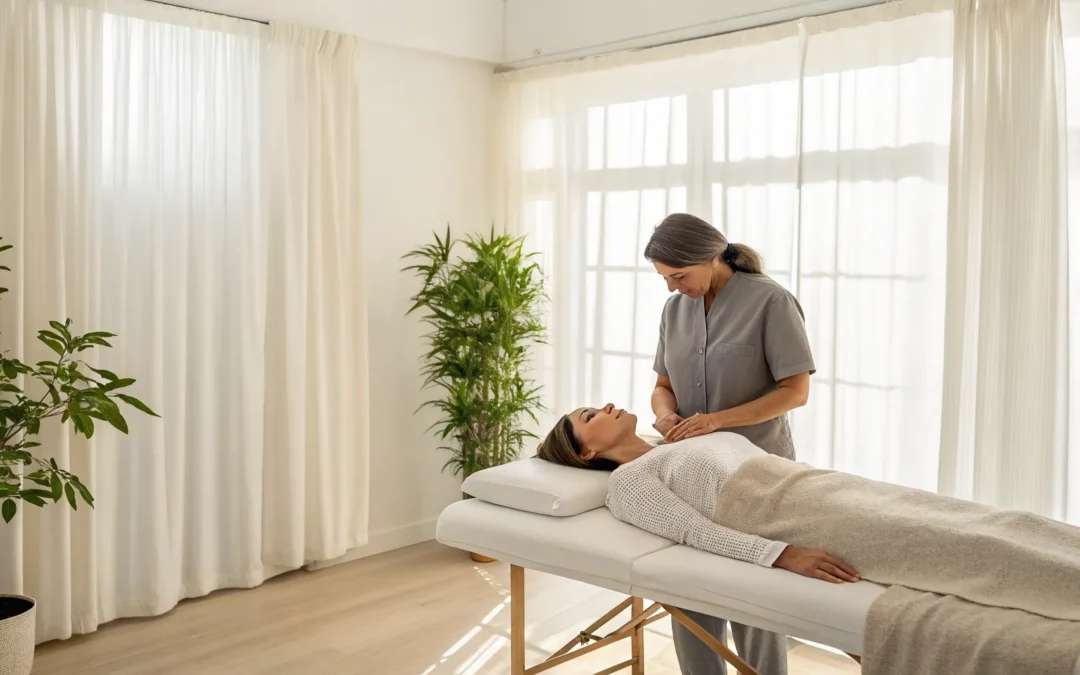
Your CST session is all about comfort and relaxation. You’ll lie down on a treatment table, fully clothed, in a quiet and peaceful room. Your therapist will begin by gently placing their hands on different parts of your body, such as your head, feet, or the base of your spine, to tune into your craniosacral rhythm. You might feel a sense of deep calm wash over you, or notice subtle sensations like warmth, softening, or gentle pulsing as tension releases. Many people feel so relaxed they drift off to sleep. This process is a key part of our substance abuse and mental health treatment because it helps soothe the stress and anxiety that often come with healing.
Understanding the Link Between Trauma and Addiction
If you’re struggling with addiction, it’s so important to know that your story often goes much deeper than just substance use. For many of us, addiction is deeply connected to past hurtful experiences, or trauma. When you go through something overwhelming, your mind and body can carry that weight for years, long after the event is over. Understanding this connection is a powerful first step toward a kind of healing that goes beyond simply stopping the use of a substance. It’s about gently addressing the root cause of the pain and finding new, healthier ways to cope with those difficult feelings.
At CenterPointe, we see recovery as a process of healing the whole person. This means looking at the experiences that have shaped you and providing the tools to address both the emotional and physical sides of your journey. Recognizing how trauma may have influenced your path allows for a more compassionate and effective approach to recovery, one that honors your entire story. We believe that by creating a safe and supportive space, you can begin to untangle these threads and move toward lasting well being.
How Trauma Can Fuel Addiction
When you’re trying to manage the intense and often chaotic feelings that trauma leaves behind, it’s natural to search for a way to turn down the volume. A growing body of research shows that many people use drugs or alcohol to self-medicate and find temporary relief from the anxiety, fear, or numbness that follows a traumatic event. This isn’t a sign of weakness; it’s a survival strategy. The substance can feel like the only way to get a moment of peace from relentless memories or a nervous system that feels stuck in high alert. Our approach to substance abuse and mental health treatment acknowledges this reality, focusing on healing the underlying pain instead of just the symptoms.
Healing Through the Body, Not Just the Mind
Talk therapy is a cornerstone of recovery, but sometimes words can’t reach the places where trauma is stored. That’s because trauma doesn’t just live in your memories; it leaves a physical imprint on your body. You might feel it as chronic tension in your shoulders, a knot in your stomach, or a constant sense of being on edge. This physical discomfort is often overlooked in recovery, yet it can be a powerful trigger for relapse. Therapies like Craniosacral Therapy offer a gentle, hands-on way to help your body release this stored stress. It creates a safe space to process these sensations without having to talk through them, helping you feel more whole and grounded in yourself.
How Craniosacral Therapy Aids Recovery
When you’re healing from addiction, you’re not just working through cravings; you’re also processing the deep-seated stress and trauma that may have fueled it. While talk therapy is essential for understanding your experiences, your body also holds onto these memories and tensions. This is where Craniosacral Therapy (CST) comes in as a powerful, gentle partner in your recovery.
CST is a core part of our Substance Abuse & Mental Health Treatment because it works directly with your body to release what no longer serves you. It doesn’t force anything. Instead, it creates a safe and supportive space for your body’s own healing intelligence to take the lead. By addressing the physical side of your emotional wounds, CST helps create a more stable foundation for lasting recovery.
It Calms Your Nervous System
Living with addiction often means your nervous system is stuck in overdrive, constantly in a state of fight-or-flight. This chronic stress makes it nearly impossible to feel safe or relaxed. Craniosacral Therapy uses a gentle, hands-on approach to calm this response. A therapist applies a very light touch to release tension in the fascia, the network of connective tissue that runs throughout your entire body.
This process sends signals to your nervous system that it’s safe to stand down. Instead of being on high alert, your body can shift into its “rest and digest” mode, which is where true healing happens. For someone in recovery, this feeling of calm can be profound, offering a much-needed break from the internal chaos and anxiety.
It Helps Release Stored Tension
Stress, trauma, and the physical toll of substance use create tension that gets stored in your body’s tissues. You might feel it as chronic pain in your neck, constant headaches, or a general feeling of being wound up. This physical discomfort can be a major trigger for relapse. CST is incredibly effective at helping your body let go of this stored tension.
The therapy’s ability to promote deep relaxation can be especially helpful for anyone in outpatient recovery, who is often dealing with the stress of daily life alongside the challenges of withdrawal. By gently releasing these physical patterns, CST helps relieve discomfort and creates more ease in your body, making it easier to manage stress without turning to old habits.
It Reconnects You With Your Body
Addiction can create a deep disconnect from your body. It can start to feel like an enemy or something you need to escape from. A core part of recovery is learning to live in your body again, and CST provides a safe and gentle way to do that. The therapist’s non-invasive touch helps you slowly and safely tune into your physical sensations without feeling overwhelmed.
This process helps you understand that feelings, even uncomfortable ones, are temporary. The Craniosacral Therapy Association explains that CST helps people see that these feelings come and go, like waves. By learning to notice and allow these sensations to pass, you build resilience and learn to trust your body again. It becomes a safe home rather than a source of pain.
The Benefits of CST for Your Recovery Journey
When you’re rebuilding your life, you deserve support that addresses your whole self: mind, body, and spirit. Craniosacral therapy is a gentle but powerful tool that can make a significant difference in your healing. By working with your body’s natural rhythms, CST offers a unique path to release old patterns and build a solid foundation for lasting recovery. Let’s look at some of the specific ways it can help.
Reduces Anxiety and Stress
Recovery is a brave step, but it can also be incredibly stressful. Your nervous system might feel like it’s constantly on high alert. CranioSacral Therapy helps your body remember how to relax. Through its gentle touch, CST encourages your system to shift out of a “fight or flight” state and into a place of deep rest. This process helps release built-up tension, which is especially helpful when you’re dealing with the anxiety and physical discomfort that can come with early recovery. It creates a sense of calm that you can carry with you long after the session ends.
Helps Manage Cravings
Cravings can feel overwhelming, but they are often tied to deeper feelings of discomfort or anxiety. CST gives you a safe, quiet space to get familiar with these sensations without judgment. Instead of being something to fear, you can learn to see these feelings as waves that come and go. During sessions, you can practice breathing and relaxation techniques that become powerful tools to use when cravings arise. This helps you build the skill of pausing and choosing your response, rather than reacting automatically. It’s a compassionate way to approach a challenging part of recovery.
Builds Emotional Resilience
Addiction and trauma can damage your ability to trust, both in yourself and in others. CST helps repair this connection by providing a consistently safe and nurturing experience. For many who have had negative experiences with touch, the kind, non-judgmental approach of a CST practitioner can be profoundly healing. This process of re-establishing safety within your own body helps rebuild self-confidence and a sense of inner security. As you learn to trust the process and your practitioner, you also begin to rebuild trust in yourself, which is a cornerstone of emotional resilience.
Improves Sleep and Mental Clarity
Getting quality sleep can feel impossible when your body is holding onto years of stress. CST gently works to release the deep-seated tension and trauma that can keep your system on edge, disrupting your rest. As your body learns to let go of this chronic stress, your nervous system can finally calm down, allowing for more restorative sleep. This has a ripple effect on your entire recovery. When you’re well-rested, you have more mental clarity to make healthy choices, engage more fully in your substance abuse and mental health treatment, and feel more emotionally stable throughout your day.
Your CST Session: What to Expect
Walking into a new type of therapy can feel a little intimidating, especially when it involves a hands-on approach. But knowing what to expect can make all the difference. A Craniosacral Therapy (CST) session is designed to be a gentle, calming experience. It’s a quiet space where you can let your guard down and allow your body to begin its own healing process. There are no surprises, just a supportive environment where you are always in control. Let’s walk through what a typical session looks like, from your first visit to the lasting skills you’ll develop.
Preparing for Your First Session
For your first session, the most important thing is to come as you are. You’ll remain fully clothed, so wearing something comfortable and loose-fitting is a good idea. The session will take place in a quiet, peaceful room where you’ll lie on a comfortable treatment table, similar to a massage table. Your therapist will explain the process and answer any questions you have before beginning. Using an extremely light touch, often no heavier than the weight of a nickel, they will gently place their hands on different parts of your body. The goal of CranioSacral Therapy is to provide relief by reducing physical tension and helping you access an internal sense of calm and safety.
How the Effects of CST Build Over Time
While you might feel deeply relaxed after just one session, the true power of CST is cumulative. Think of it like learning a new skill. At first, you’re just getting the hang of it, but with practice, it becomes second nature. Over several sessions, CST helps you notice the physical stress in your body and learn how to release it. You’ll start to see how your body’s feelings are linked to your thoughts and emotions. This growing awareness is a crucial step in recovery. It helps you untangle the complex knots of trauma and addiction, giving you a new sense of control as part of your overall substance abuse and mental health treatment plan.
Developing Skills for Long-Term Healing
CST does more than just relieve tension in the moment; it equips you with skills for lifelong emotional resilience. The therapy provides a gentle, safe space to explore uncomfortable feelings without judgment. It helps you understand that these feelings, much like waves, will come and go. For many who have had difficult experiences with touch or neglect, CST offers a kind, non-judgmental environment that helps rebuild trust and self-confidence. You learn to trust your body’s signals and feel safe within yourself again. This process isn’t about someone else “fixing” you. It’s about creating the right conditions for you to reconnect with your own inner strength and capacity for healing.
Does Science Support CST for Addiction?
When you’re exploring different paths to recovery, it’s natural to ask questions about the science behind them. Because Craniosacral Therapy is a gentle, hands-on approach, many people wonder about its effectiveness and what the research says. The truth is, healing isn’t always something you can measure in a lab. While the scientific community continues to study CST, its benefits are often felt on a deeply personal level, especially for those working through the complexities of addiction and trauma.
At CenterPointe, we believe in a holistic approach that honors both scientific understanding and your individual experience. We’ve seen firsthand how CranioSacral Therapy can create profound shifts for our clients. It’s about more than just data points; it’s about finding what helps you feel safe, calm, and connected to your body again. Let’s look at the research that exists, discuss why personal experience is so important on the healing journey, and clear up some common questions you might have.
A Look at the Research
When it comes to formal scientific studies, the body of research on CST is still growing. Some clinical reviews point out that many existing studies are small or have design limitations, making it hard to draw firm conclusions. However, the principles behind CST align with what we know about the nervous system and stress. Research suggests that CST’s ability to promote deep relaxation can be especially helpful for people in recovery. It helps calm the fight-or-flight response that is often in overdrive from past trauma and the stress of withdrawal, offering a way to release tension held in the body.
Why Personal Experience Matters
While clinical data is one way to measure success, it doesn’t always capture the full picture of healing. For many people, the most powerful proof is how they feel after a session. Recovery is a personal journey, and what matters most is finding therapies that resonate with you and support your well-being. Countless individuals share stories of how CST helped them feel more grounded, less anxious, and more emotionally resilient. These personal testimonials highlight the profound mental and emotional shifts that can happen when the body is given a chance to rest and heal, something a study can’t always quantify.
Addressing Common Doubts
It’s smart to be discerning about your care, so let’s address a few common concerns. First, Craniosacral Therapy is not meant to be a standalone cure or a replacement for traditional medical care. Instead, it works beautifully as a complementary therapy alongside individual and group counseling. Think of it as another tool in your recovery toolkit. Second, some people worry that the therapy might be uncomfortable. In reality, CST is a non-invasive and extremely gentle therapy. The entire experience is designed to be soothing and create a sense of safety, helping you reconnect with your body in a positive way as part of your substance abuse and mental health treatment.
Clearing Up Myths About CST
When you’re exploring new paths to healing, it’s natural to have questions. Craniosacral Therapy (CST) is a gentle, body-based approach that can feel a little mysterious at first. Because it’s different from traditional talk therapy, some common misunderstandings have popped up. Let’s clear the air on a few of these myths so you can feel confident and informed about how CST can support your recovery journey.
Myth: A Light Touch Can’t Be Powerful
It’s easy to think that for a therapy to be effective, it has to be intense. But with CST, the power is in its gentleness. This therapy uses a light, specific touch to interact with the subtle rhythms of your body. The goal isn’t to force change but to create a safe space for your nervous system to unwind and release stored tension. Think of it like this: when you’re trying to untangle a delicate necklace, you don’t pull on it forcefully. You use a soft, patient touch. CranioSacral Therapy works in a similar way, gently helping your body find its way back to balance and calm. This subtle approach can lead to profound shifts in both your physical and emotional well-being.
Myth: CST Is a Replacement for Therapy
Craniosacral Therapy is a powerful tool, but it’s not meant to be a standalone cure for addiction or trauma. Instead, think of it as a vital part of a team. It works best when integrated with other healing practices, like individual and group counseling. While talk therapy helps you process your experiences verbally, CST helps your body release the physical imprint of those experiences. It’s a complementary approach that supports the work you’re doing in your broader substance abuse and mental health treatment plan. By combining these methods, you get a truly holistic approach that addresses your mind, body, and spirit, giving you a more complete foundation for lasting recovery.
Myth: You’ll See Results Instantly
While some people walk away from their first CST session feeling an immediate sense of peace or relief from physical pain, the deeper healing is a gradual process. Healing from addiction and trauma isn’t a quick fix, and CST honors that reality. The therapy works over time to help you build an internal sense of safety and emotional stability. Each session is like laying another brick in a strong foundation. You’re not just getting temporary relief; you’re developing the skills and resilience to manage stress and cravings long-term. This steady progress is a core part of our outpatient alcohol treatment philosophy, where consistent, supportive care leads to the most meaningful and lasting change.
Integrating CST Into Your Recovery Plan
CranioSacral Therapy isn’t meant to be a solo act. Its real power shines when it becomes part of a bigger, more complete picture of healing. Think of your recovery as a team effort, with each therapy playing a specific and important role. CST works hand-in-hand with other treatments, creating a supportive structure that addresses your mind, body, and spirit all at once. By weaving CST into your recovery plan, you give yourself a more robust set of tools to work with, helping you build a foundation for lasting wellness. This integrated approach ensures that you’re not just talking about healing, but feeling it on a physical level, too.
Combining CST with Talk Therapy
Talk therapy is a cornerstone of recovery, giving you the space to understand your story and develop healthier coping mechanisms. But sometimes, words aren’t enough to get to the root of deep-seated trauma. This is where a plan that includes both Substance Abuse & Mental Health Treatment and somatic work like CST can be so effective. CST helps you become aware of the physical stress your body is holding and how those sensations are tied to your thoughts and emotions. When you can feel that tightness in your chest and connect it to a specific memory or fear, you bring something tangible into your therapy sessions. This creates a powerful bridge between mind and body, allowing you to process trauma on a much deeper level.
Other Therapies That Complement CST
Because CST is so gentle and focuses on calming the nervous system, it pairs beautifully with other healing practices. Its ability to promote deep relaxation can be especially helpful for anyone in outpatient recovery, where you’re facing daily stressors while managing withdrawal symptoms or cravings. CST provides a safe, quiet space to explore uncomfortable feelings, helping you learn that they are temporary, like waves that rise and fall. This builds emotional resilience. This is why CranioSacral Therapy is such a valuable part of a well-rounded recovery program that might also include mindfulness, yoga, acupuncture, or massage. Each therapy supports the others, creating a holistic plan that addresses your complete well-being.
Find Healing with CranioSacral Therapy in Sarasota
If you’re looking for a gentle, hands-on approach to support your recovery, CranioSacral Therapy (CST) can be a powerful resource. Here in Sarasota, we use this therapy to help you address the underlying trauma that so often goes hand-in-hand with substance use. CST uses a very light touch to release deep tension in your body’s connective tissues, which can bring a profound sense of relaxation and relief from physical pain. For anyone in recovery, this process is incredibly valuable. It offers a safe and supportive way to reconnect with your body and process emotions without feeling overwhelmed.
At CenterPointe, we’ve seen how CranioSacral Therapy helps people find a sense of peace that may have felt out of reach for a long time. It’s not about forcing anything; it’s about creating the right conditions for your body to let go of old stress and trauma that may be holding you back. By gently unwinding these physical patterns, you can begin to untangle the emotional ones, too. This therapy becomes a quiet, restorative space where you can simply be present with yourself and allow your system to find its way back to balance. It’s a key part of a holistic approach, acknowledging that healing the mind and healing the body are deeply connected, supporting your journey toward lasting well-being.
Our Heart-Centered Approach to Your Recovery
We believe that true healing happens in a space of compassion and trust. Our heart-centered approach to CST means we’re here to support you without judgment as you explore your feelings. This therapy helps you notice where you hold stress in your body and gives you the tools to release it, one layer at a time. As you let go of old tension, you’ll likely feel more grounded and connected to yourself. This isn’t a quick fix, but a gradual process of building a healthier relationship with your body and emotions, which is a core part of our substance abuse and mental health treatment.
Ready to Start? Here’s How
If you feel that CranioSacral Therapy could be a helpful part of your healing journey, we invite you to reach out. Our trained practitioners are dedicated to creating a safe and nurturing environment for your recovery. In our sessions, you’ll learn practical breathing and relaxation techniques to help you manage anxiety and cravings in your daily life. We can integrate CST into a broader outpatient alcohol treatment plan, working together to heal the trauma that has impacted your life and support you on your path forward. Taking that first step is a sign of strength, and we’re here to walk alongside you.
Frequently Asked Questions
How is Craniosacral Therapy different from a massage? That’s a great question. While both are hands-on therapies, they work in very different ways. A massage typically uses firm pressure to work on muscles and relieve surface-level knots. Craniosacral Therapy, on the other hand, uses an extremely light touch to interact with your body’s deeper systems. The focus isn’t on muscles, but on the connective tissue and the fluid around your central nervous system. The goal is to gently release deep-seated tension and calm your nervous system, creating a sense of safety from the inside out.
Do I have to talk about my trauma during a CST session? No, you don’t have to talk at all. A CST session is a quiet space for your body to do its work. Unlike talk therapy, where you process experiences verbally, CST allows you to release stored stress and trauma without needing to find the words for it. You simply lie down, fully clothed, and rest. Your therapist creates a safe, non-judgmental environment, and many people find it so relaxing they drift off to sleep. It’s a time for you to receive support and let your body unwind at its own pace.
How can something so gentle help with something as big as addiction? It might seem counterintuitive, but the gentleness of CST is exactly why it’s so effective. Addiction and trauma often keep your nervous system stuck in a high-stress, “fight or flight” mode. This creates constant internal chaos, which can fuel cravings and anxiety. The light, supportive touch of CST sends signals of safety to your brain, allowing your nervous system to finally shift into a “rest and digest” state. This is the state where your body can truly heal, process stress, and find balance, which helps reduce the underlying turmoil that makes addiction so hard to manage.
How long does it take to feel a difference? Everyone’s experience is unique, but many people report feeling a deep sense of calm and relaxation after their very first session. However, the most profound benefits, like improved emotional resilience and better sleep, tend to build over time. Think of it as building a strong foundation for your recovery. Each session adds another layer of stability, helping your body unlearn old patterns of stress and tension. Healing is a process, and CST honors that by providing steady, consistent support for long-term change.
Is CST a replacement for my other recovery treatments? Not at all. Craniosacral Therapy works best as part of a team. We see it as a powerful complement to other essential recovery work, like individual and group therapy. While talk therapy helps you mentally and emotionally process your experiences, CST addresses the physical side of things, helping your body release the tension that words can’t always reach. When you combine these approaches, you get a more complete and holistic path to healing that supports your mind and body together.