
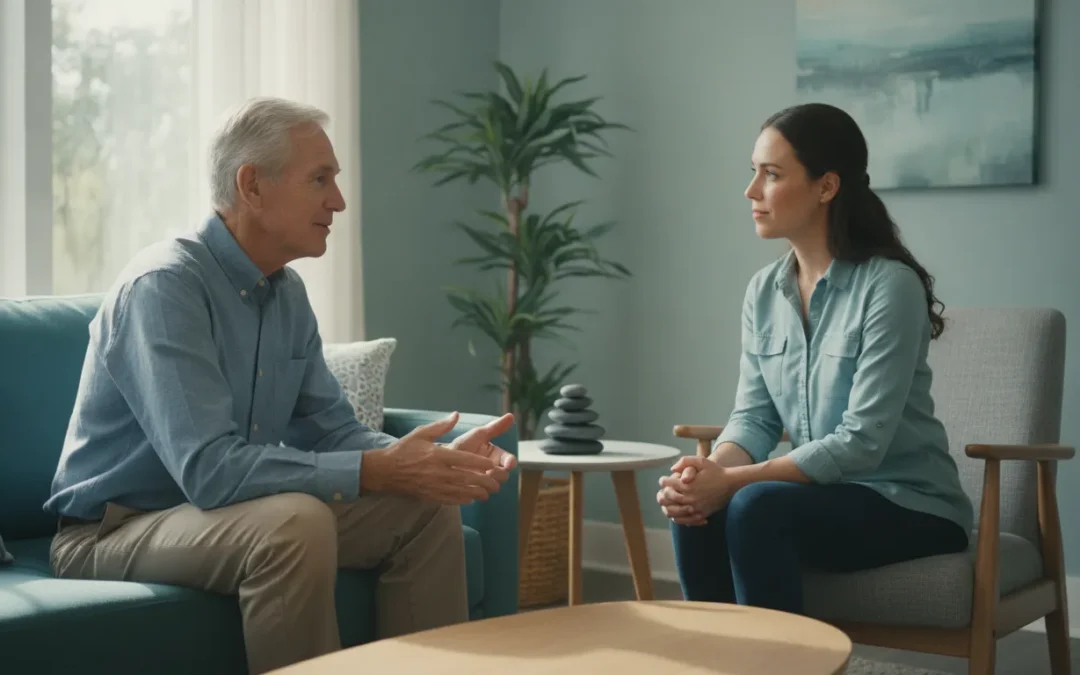
Changes in drinking, prescription use, balance, memory, or mood can be easy to dismiss as part of aging. For an older adult in Sarasota, a respectful evaluation can help separate health concerns from substance use concerns and identify the right level of support.
Addiction treatment seniors Sarasota may include a clinical evaluation, counseling, family involvement, and outpatient support when that level of care fits the person’s needs. Treatment should account for medications, health conditions, life changes, communication needs, and personal goals. A prescribing clinician or pharmacist should guide medication questions.
CenterPointe provides Sarasota outpatient treatment, including intensive outpatient care for people who need more structure than weekly counseling but do not require inpatient care. Understanding how substance use can appear later in life is a useful first step toward choosing support without stigma or assumptions.
Is Addiction Common Among Older Adults?
Substance use concerns can begin later in life, and they can also be overlooked when changes are attributed only to aging. Retirement, bereavement, relocation, declining health, loneliness, anxiety, or depression may alter a person’s routines and coping resources. These circumstances do not cause addiction by themselves, but they can increase vulnerability to relying on alcohol or other substances in ways that affect health and daily life.
Alcohol may affect some people more strongly as they grow older because the body handles it differently with age. The National Institute on Aging notes that older adults may experience stronger effects without drinking more than before. That can increase the risk of falls, fractures, and car crashes. Long-term heavy use may also worsen conditions such as high blood pressure, diabetes, osteoporosis, memory problems, or mood disorders. NIA explains how aging and alcohol can interact.
Families and clinicians may also miss a concern because alcohol-related forgetfulness, confusion, or balance problems can resemble other age-related health changes. The reverse is important, too: drinking every day does not automatically establish alcohol use disorder, and a person with a substance use disorder does not necessarily drink every day. Only a qualified professional can assess what is happening, and an older adult deserves that assessment without shame or assumptions.
This is different from looking for a fixed checklist of family warning signs. A respectful conversation considers changes from the person’s own baseline, medical conditions, medications, mood, relationships, and ability to manage daily responsibilities. If concerns persist, speaking with a healthcare professional or qualified addiction counselor can clarify whether support is appropriate and what level of care may fit.
How Addiction Treatment for Seniors in Sarasota Can Be Personalized
Good treatment planning starts with the person, not a preset age-based checklist. An assessment may consider health history, current medications, memory or other cognitive concerns, mood, grief, hearing, vision, transportation, and the pace that makes counseling easier to follow. These details can help a clinical team understand what support is appropriate and when coordination with a medical provider may be needed.

SAMHSA’s TIP 26 guidance describes age-appropriate, person-centered care for older adults. It notes that individual or group counseling may need a slower pace or accommodations for vision, hearing, and cognitive impairment. Conversations may also address grief, loss, changing health, retirement, relocation, loneliness, or other major life changes that affect recovery.
What personalization can look like
- Health and medication context: A provider can review relevant conditions and medications as part of a broader assessment. Treatment staff should not direct someone to stop, change, or taper a prescription without guidance from the prescribing clinician or pharmacist.
- Accessible communication: Larger-print materials, clear repetition, a quieter setting, adjusted pacing, or hearing and vision accommodations may make participation more comfortable.
- Collaborative support: With the older adult’s permission, family or caregivers may help share context and reinforce practical recovery support while respecting the person’s autonomy.
CenterPointe does not have a verified senior-only program, so families should not assume that an age-specific track is available. Its stated services are outpatient. A clinical evaluation helps determine whether an intensive outpatient program in Sarasota fits the person’s needs, or whether another level of medical or behavioral health care should be considered.
Why Outpatient Treatment May Fit Some Older Adults
Age alone does not determine the right level of support. A clinical evaluation should consider substance use, physical and mental health, medications, safety, daily responsibilities, and the person’s goals. CenterPointe develops a treatment plan collaboratively with the individual and counselor, rather than assuming every older adult needs the same setting.
For some Sarasota residents, an intensive outpatient program in Sarasota can provide more structure than weekly counseling while allowing appropriate connection with home and family life. CenterPointe’s groups are limited to 8-10 people. The outpatient model may include group and individual therapy, family involvement, recovery education, and collaborative planning.
| Option. | What it may offer. | Important fit consideration. |
|---|---|---|
| Weekly counseling. | Periodic individual support for goals that can be addressed with less structure. | May not provide enough contact or group support for everyone. |
| Outpatient IOP. | More structured outpatient support, including group and individual therapy and family involvement. | May fit people who need more than weekly counseling but do not require inpatient care. |
| Higher-level referral considerations. | Evaluation of whether medical supervision or a different level of care is needed. | Some needs require referral to services outside CenterPointe’s outpatient-only scope. |
CenterPointe does not provide residential or detox care. If withdrawal, urgent medical concerns, or safety risks are present, a qualified medical professional should guide the next step. For an overview of Sarasota outpatient treatment options, families can review the available outpatient scope and then ask questions about evaluation and fit.
Call (941) 488-4811 to discuss outpatient treatment options.
Prescription Drug Dependency in Seniors: What to Know
Prescription medication concerns can be difficult to recognize in later life. Older adults may manage several medical conditions and take medicines prescribed by more than one clinician. NIA explains that taking many medicines can increase the risk of negative side effects, and that alcohol, tobacco, and other drugs can affect how medicines work. Age-related changes can also influence how the body responds to medication. Read the National Institute on Aging medicine-safety guidance for general information.
Alcohol deserves particular attention. It can interact dangerously with prescription medicines, over-the-counter products, supplements, and herbal remedies. A person may also experience alcohol differently as they age. New confusion, balance problems, falls, excessive sleepiness, or other changes should not be dismissed as an unavoidable part of aging. They should be discussed with a qualified medical professional, especially when medication or substance use may be involved.
Medication changes should be medically guided
Never stop, taper, increase, decrease, switch, or share a prescription medication based on advice from a blog, family member, or friend. Do not change a medicine because of uncomfortable side effects without first contacting the prescribing clinician or pharmacist. Share a complete list of prescriptions, over-the-counter medicines, vitamins, supplements, alcohol use, and other substance use with the care team. A pharmacist can help identify possible interactions, while the prescriber determines whether a medication change is appropriate.
Prescription opioid concerns also require careful assessment. SAMHSA notes that older adults may need an age-appropriate range of services, and that some patients may require medically supervised withdrawal before treatment begins. The appropriate level of care may be outpatient, intensive outpatient, or another medically supported setting. Read the SAMHSA guide on opioid misuse and opioid use disorders in older adults for general education.
CenterPointe provides outpatient counseling and intensive outpatient care, not detox or withdrawal management. A clinical evaluation helps determine whether that scope fits the person’s needs. If urgent medical symptoms, possible overdose, severe confusion, or dangerous withdrawal are present, seek immediate medical care rather than waiting for an outpatient appointment.
How Can Families Support an Older Adult Seeking Treatment?
Family support is most helpful when it protects dignity while making it easier to take the next step. Choose a calm, private time to share specific observations, such as missed appointments, changes in medication routines, or increased isolation. Use “I” statements and open questions instead of labels or accusations: “I am concerned about you. How have you been feeling?” Give the older adult time to respond, and listen without trying to win an argument.
Adults have the right to participate in decisions about their own care. A family member can offer transportation, help schedule an evaluation, or ask what kind of involvement would feel useful. That may mean attending one appointment, helping organize questions, or giving the person space. SAMHSA recommends person-centered, empathetic approaches for older adults, and notes that including family and caregivers in treatment and recovery services can support the process. Read SAMHSA TIP 26 for broader guidance.
Bring accurate information to the care team
Before an evaluation, help create a current medication list. Include prescriptions from every clinician, over-the-counter medicines, vitamins, supplements, herbal products, and the names of prescribing providers. Note how each item is being taken, but do not recommend stopping, skipping, tapering, or changing a medication. The National Institute on Aging advises discussing all medicines and substance use with a doctor because combinations can affect safety and how medicines work. A prescriber or pharmacist should direct medication questions.
Consider family therapy when appropriate
Family therapy can provide a structured setting to practice communication, clarify boundaries, and discuss practical support without making one person responsible for everyone’s recovery. CenterPointe describes family therapy and support-person involvement as part of its outpatient IOP offering. Learn more about family therapy in Sarasota recovery, and ask the older adult and clinical team what participation is appropriate. The goal is collaborative support, not pressure or control.
Getting Help for Addiction in Sarasota as an Older Adult
Choosing a next step should account for the older adult’s health history, medications, daily responsibilities, and current level of safety. A practical conversation with qualified clinicians can clarify whether outpatient support is appropriate and whether another level of medical care should come first.
- Request an evaluation. Share what has been happening, including alcohol or other substance use, prescription concerns, changes in mood or memory, falls, chronic conditions, and recent life changes. CenterPointe conducts a clinical evaluation before treatment and develops the plan collaboratively with the individual and counselor. Family members can help organize information, while still respecting the adult’s autonomy.
- Discuss medication and health context with qualified clinicians. Bring an up-to-date list of prescriptions, over-the-counter medicines, vitamins, and supplements. Do not stop, change, or taper a medication based on general online advice. Medication changes should be directed by the prescribing clinician or pharmacist. Urgent medical or withdrawal concerns require appropriate medical care.
- Clarify the outpatient fit. CenterPointe is an outpatient provider. Its IOP is intended for people who need more structure than weekly counseling but do not require inpatient care. It does not provide detox or residential treatment. Review the Sarasota outpatient treatment options and discuss whether the available structure matches the evaluation.
- Confirm practical details. CenterPointe’s Sarasota location and outpatient scope are outlined on its Sarasota outpatient rehab services page. Insurance eligibility, deductibles, copays, coinsurance, authorization requirements, and final benefits are plan-dependent. Use the insurance information as a starting point, then verify benefits directly with the plan and CenterPointe. No coverage should be assumed.
Call (941) 488-4811 to discuss the next step with CenterPointe.
Frequently Asked Questions
Can substance use problems begin later in life?
Yes. Grief, moving, failing health, loneliness, and other major life changes can contribute to harmful reliance on alcohol or medications. Alcohol may also affect older adults more strongly as the body changes with age. The National Institute on Aging explains these later-life risks.
How should addiction treatment be personalized for an older adult?
A clinical evaluation should consider health history, medications, cognition, hearing or vision needs, grief, and other life circumstances. SAMHSA recommends person-centered, age-appropriate care, with counseling adapted when needed. This does not mean every older adult needs the same treatment approach.
Can outpatient IOP be appropriate for seniors?
It can be appropriate for someone who needs more structure than weekly counseling but does not require inpatient care. CenterPointe provides outpatient services, including IOP, and a clinical evaluation helps determine fit. The treatment plan is developed collaboratively with the individual and counselor.
What should an older adult do about concerns involving prescription medication?
Do not stop, skip, taper, or change a medication without guidance from the prescribing clinician. Bring prescriptions, over-the-counter medicines, vitamins, supplements, and alcohol or substance-use concerns to a doctor or pharmacist for review. NIA notes that age-related changes and multiple medicines can increase side-effect risks.
How can family members support an older adult seeking treatment?
Listen without blame, encourage a professional evaluation, and ask how the person wants support. Family members can help organize questions, medication information, transportation, or appointments while respecting adult autonomy. SAMHSA reports that including family and caregivers can support treatment and recovery processes.
How can someone start addiction treatment for seniors in Sarasota?
Start by discussing concerns with a qualified health professional and asking about an outpatient evaluation. CenterPointe can explain its Sarasota outpatient and IOP services, then assess whether that level of care fits. Insurance eligibility and benefits are plan-dependent and require verification.
Ready to Discuss Treatment Options?
If you or a family member is considering help with prescription dependency or another substance use concern, a conversation can clarify whether outpatient care may be an appropriate next step. CenterPointe can discuss your situation and the evaluation process without assuming that one treatment path fits everyone.
Call CenterPointe at (941) 488-4811 to discuss outpatient addiction treatment and request an evaluation.