
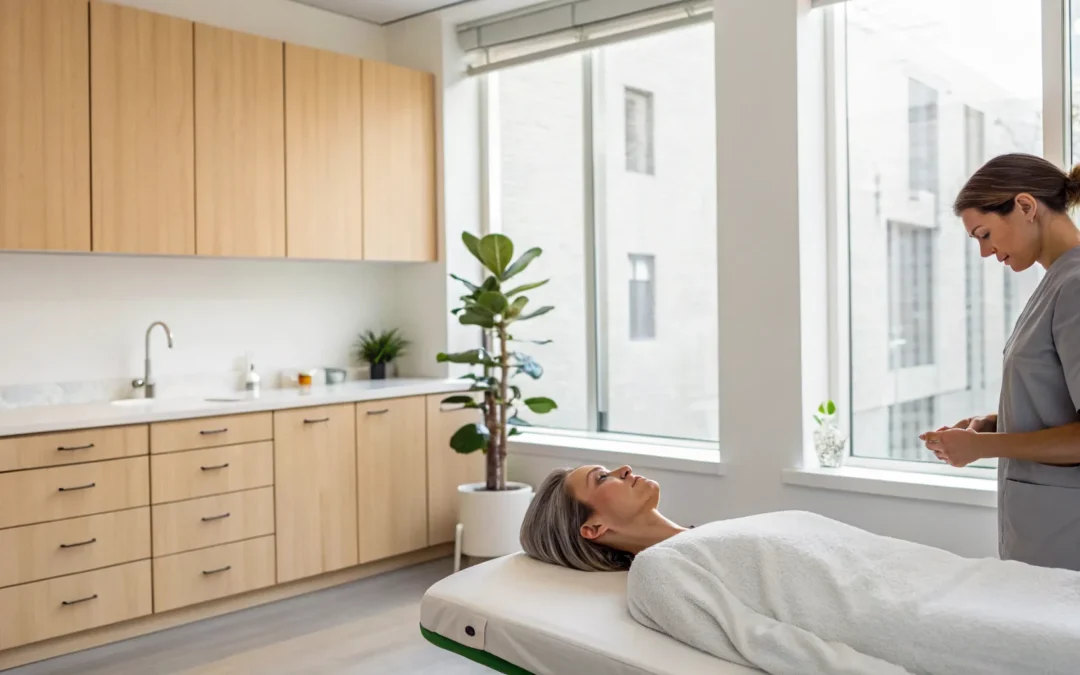
Dealing with chronic pain or overwhelming stress can make every day feel like a battle, especially when you’re navigating recovery. Finding a way to manage these feelings without relying on medication is a huge step toward lasting wellness. This is where acupuncture can be a game-changer. It’s a time-tested, natural therapy known for its ability to relieve physical discomfort and calm an anxious mind. By helping your body release its own natural painkillers and regulating your nervous system, acupuncture offers a gentle yet powerful way to find relief and support your healing from the inside out.
Key Takeaways
- Acupuncture supports your body’s natural healing: This practice uses thin needles to stimulate specific points on the body, which helps reduce inflammation, calm the nervous system, and release your body’s own pain-relieving chemicals.
- It offers drug-free relief for recovery symptoms: Acupuncture is a proven way to manage common challenges like chronic pain, anxiety, insomnia, and cravings, giving you a powerful tool for support that doesn’t involve medication.
- It complements your existing treatment plan: Acupuncture works alongside conventional therapies like counseling to create a more complete approach to healing, helping to calm your body and mind so you can better engage with the emotional work of recovery.
What Is Acupuncture?
If you’re exploring holistic paths to wellness, you’ve likely come across acupuncture. It’s a practice that has helped people for thousands of years, and it’s becoming a popular part of modern recovery plans for its ability to support both the body and mind. But what exactly is it, and how does it work? Let’s walk through the basics so you can feel confident and informed.
Qi and Meridians: The Basics
At its heart, acupuncture is a practice rooted in Traditional Chinese Medicine. It’s built on the idea that a vital life force, called qi (pronounced “chee”), flows through our bodies. Think of qi as the essential energy that keeps you vibrant and balanced. This energy travels along specific pathways known as meridians, which form a complex network connecting every part of you. When your qi is flowing smoothly, you feel healthy and well. But if that flow gets blocked or disrupted, it can lead to pain, illness, or emotional imbalance. The main goal of acupuncture is to restore that smooth, healthy flow.
How the Needles Work
So, how do tiny needles help with energy flow? The purpose of acupuncture is to tap into your body’s natural healing abilities. A trained practitioner inserts very thin, sterile, single-use needles into specific points along your meridians. These points act like gateways to your body’s energy system. By gently stimulating them, the practitioner can help clear any blockages and get your qi moving freely again. The needles are usually left in for about 10 to 20 minutes. You might feel a unique sensation like a dull ache or a tingle, which is called de qi. This is a good sign, indicating that your body’s energy is responding to the treatment.
Does It Hurt?
This is the first question on everyone’s mind, and it’s a fair one. The idea of needles can be intimidating, but acupuncture needles are not what you might think. They are incredibly thin, about the width of a human hair, and their insertion is nothing like getting a shot. Most people report feeling very little, if any, discomfort. You might feel a tiny prick when the needle goes in, followed by a mild sensation of warmth or tingling. A skilled practitioner is trained to make the experience as comfortable as possible as part of a comprehensive substance abuse and mental health treatment plan. In fact, many people find their sessions so relaxing that they fall asleep, and they often leave feeling a sense of calm and overall well-being.
Where Did Acupuncture Come From?
Acupuncture might seem like a modern wellness trend, but its history is incredibly rich, spanning thousands of years. It’s not a new-age practice but an ancient healing art that has traveled across continents and centuries to become the therapy we know today. Understanding its journey helps us appreciate the deep wisdom behind this practice and why it has stood the test of time. Let’s take a quick look at its origins in the East and how it made its way to the West.
Its Roots in Ancient China
Acupuncture’s story begins in ancient China, with roots stretching back about 3,000 years. It wasn’t just a random discovery; it was a system of medicine developed over centuries. The first comprehensive guide, “The Yellow Emperor’s Classic of Internal Medicine,” appeared around 100 BCE. This incredible text wasn’t just a book; it was the foundation that detailed the principles and practices of acupuncture that are still used today. The history of acupuncture shows a sophisticated understanding of the body, establishing a diagnostic and treatment system that has been passed down through generations and continues to help people find balance and healing.
Its Journey to the West
While acupuncture was a cornerstone of medicine in the East, its journey to the Western world was a slow burn. There were mentions of it as early as the 1600s, but it remained largely on the fringes. The real shift happened in 1971, when a U.S. journalist wrote about his own positive experience with acupuncture in China, sparking widespread curiosity. This interest grew steadily, and by 1997, the National Institutes of Health (NIH) held a major conference. They concluded that there was solid evidence supporting acupuncture’s effectiveness for certain conditions. This event was a huge step, helping to solidify its place in the world of alternative and complementary medicine.
Different Types of Acupuncture
When you hear the word “acupuncture,” you probably picture one specific thing. But it’s actually a broad term for several different styles and techniques. Each type has a slightly different approach, though they all share the same foundational goal of helping your body find balance and heal. Understanding the main types can help you feel more prepared for your first session and have a more informed conversation with your practitioner about what might work best for you. Let’s walk through some of the most common forms you might encounter.
Traditional Chinese Medicine (TCM)
This is the style most people think of when they hear “acupuncture.” As a core part of Traditional Chinese Medicine, this practice involves placing very thin needles into specific points along the body’s energy pathways, or meridians. The goal is to restore the flow of Qi (life energy) and bring the body back into balance. While it’s widely known for helping with pain relief, practitioners use it to address a whole host of health issues, from digestive problems to stress. It’s a holistic approach that treats the entire person, not just the symptom.
Auricular Acupuncture
Auricular acupuncture, or ear acupuncture, is a specialized technique that focuses entirely on the ear. The idea is that the ear is a microsystem representing the entire body, with hundreds of specific points corresponding to different organs and body parts. By stimulating these spots, a practitioner can address issues elsewhere in the body. This method shows promising results for treating chronic pain and is also a cornerstone of many addiction recovery protocols. It’s often used to help reduce cravings, ease withdrawal symptoms, and calm the nervous system, making it a powerful tool for substance abuse and mental health treatment.
Electroacupuncture
Think of electroacupuncture as a modern spin on the traditional method. In this style, after the needles are placed in the usual acupuncture points, they are connected to a device that sends a very small, gentle electric current between them. This current provides continuous stimulation, which can enhance the effects of the treatment. It’s not painful; most people report just a light tingling or humming sensation. This technique is particularly effective for stubborn, long-lasting pain, fatigue, and even depression, making it a valuable option for addressing some of the deeper physical and emotional challenges that can arise during recovery.
Dry Needling
While it uses similar needles, dry needling is a bit different from traditional acupuncture in its approach and philosophy. Often performed by physical therapists and other trained professionals, this technique focuses on musculoskeletal issues. Instead of targeting meridians, the needles are inserted directly into tight, painful knots in your muscles known as trigger points. The goal is to release the tension in these knots, which can relieve pain and improve movement. It’s especially helpful for issues like chronic back pain, tension headaches, and sciatica, offering targeted relief for physical discomfort that might be holding you back.
What Can Acupuncture Help With?
Acupuncture is much more than just a way to manage pain. It’s a versatile therapy that can address a wide range of physical and emotional concerns that often come up during recovery. By targeting specific points on the body, acupuncture helps restore balance, calm the nervous system, and support your body’s natural healing processes. Think of it as a tool that can help you feel more comfortable in your own skin, both physically and mentally.
Many people find that adding acupuncture to their treatment plan gives them a way to manage symptoms without relying on medication. It’s a cornerstone of our holistic approach at CenterPointe because it addresses the whole person, not just one isolated issue. Whether you’re dealing with persistent pain, anxiety, or trouble sleeping, acupuncture can offer gentle and effective support. It works alongside other therapies to create a well-rounded plan for your well-being.
Chronic Pain and Inflammation
If you’re dealing with chronic pain, you know how much it can impact your daily life and emotional state. Acupuncture is well-known for its ability to provide lasting pain relief. Research shows it can be particularly effective for conditions like long-lasting low-back pain, sometimes working as well as common pain medications but without the side effects. The effects aren’t just temporary; for many pain conditions, the relief can last for months.
This makes it an excellent option for managing physical discomfort that can complicate recovery. Instead of just masking the pain, acupuncture helps your body reduce inflammation and release its own natural painkillers. It’s a way to find comfort and support your body’s healing, fitting perfectly with other gentle treatments like CranioSacral Therapy that also focus on natural pain management.
Stress and Anxiety
Feeling overwhelmed by stress or anxiety is common, especially when you’re navigating the challenges of recovery. Acupuncture can be a powerful ally in calming your mind and easing emotional tension. By stimulating specific points, this therapy helps regulate your nervous system, shifting you out of a “fight or flight” state and into a more relaxed one. Scientific studies have shown that acupuncture can help with feelings of sadness and anxiety.
Integrating acupuncture into your routine provides a dedicated time to rest and reset. Many people report feeling a sense of deep calm and clarity after a session. This emotional regulation is a key part of our Substance Abuse & Mental Health Treatment because it gives you a healthy coping mechanism to manage stress as you build a stronger, more resilient foundation for your future.
Sleep Issues and Insomnia
A good night’s sleep is fundamental to healing, but it’s often one of the first things to get disrupted by stress or during the recovery process. If you find yourself tossing and turning, acupuncture may help you get the rest you need. It’s a natural way to address sleep problems without turning to sleep aids. The practice helps calm an overactive mind and relax the body, making it easier to fall asleep and stay asleep.
By helping to regulate your body’s internal clock, regular acupuncture sessions can help you re-establish a healthy sleep cycle. When you’re well-rested, you’re better equipped to handle emotional triggers and engage fully in your recovery journey. Better sleep improves your mood, energy levels, and overall sense of well-being, giving you the strength to focus on your healing.
Nausea and Digestive Problems
Your gut health is closely linked to your emotional state. Stress, anxiety, and the physical process of withdrawal can often lead to uncomfortable digestive issues, including nausea and indigestion. Experts agree that acupuncture is an effective way to relieve nausea and vomiting. It can help settle your stomach and ease discomfort, making it a valuable support tool during the early stages of recovery or times of high stress.
By calming the digestive system, acupuncture addresses the physical symptoms of emotional turmoil. This mind-body approach is essential for holistic healing. When your body feels more settled, it’s easier to focus on your mental and emotional health. This is especially relevant for anyone in an outpatient alcohol treatment program, as digestive wellness is a key part of physical recovery.
Headaches and Migraines
Frequent headaches or migraines can be debilitating, making it hard to focus on anything else. Acupuncture offers a promising, drug-free option for managing and even preventing them. Studies suggest that it can help reduce the frequency of migraines and may be more effective than some preventative medications, all with fewer side effects. It’s also shown to be helpful for tension headaches, which are often triggered by stress and muscle tightness in the neck and shoulders.
Instead of just waiting for the next headache to strike, acupuncture can be used as a proactive measure to restore balance and reduce your susceptibility to them. By releasing tension and improving blood flow, it addresses some of the root causes of head pain. This allows you to feel more in control of your body and better able to participate in your life and recovery.
How Acupuncture Supports Recovery
When you’re building a new life in recovery, it helps to have a full toolkit of resources that support your mind, body, and spirit. Acupuncture can be a powerful addition to your routine, working alongside therapy and other treatments to help you feel more grounded and resilient. It addresses the physical and emotional challenges of recovery head-on, giving your body the support it needs to heal. By focusing on restoring balance, acupuncture helps you build a stronger foundation for lasting sobriety.
At CenterPointe, we believe in a holistic approach to healing, which is why we incorporate practices like acupuncture into our Substance Abuse & Mental Health Treatment plans. It’s a gentle, effective way to care for yourself as you move forward.
Ease Cravings and Withdrawal
The early days of recovery can be physically demanding as your body adjusts to life without substances. Cravings and withdrawal symptoms are often the biggest hurdles to overcome. Acupuncture can be an incredible source of relief during this time. Specific acupuncture points are known to help calm the nervous system and restore balance, which can make the physical discomfort of withdrawal more manageable. Research suggests that acupuncture may help reduce cravings and withdrawal symptoms, making it a valuable tool for anyone working to quit a substance. It offers a way to find comfort and stability when your body needs it most.
Reduce Stress and Emotional Imbalance
Recovery is just as much an emotional journey as it is a physical one. It’s common to feel overwhelmed by stress, anxiety, or waves of sadness as you learn to process feelings without substances. Acupuncture provides a quiet space to let your nervous system settle. Studies have shown that it can be a great way to help with sadness and regulate your emotional state. By stimulating certain points, acupuncture encourages the release of endorphins, your body’s natural mood-lifters. This can leave you feeling calmer, more centered, and better equipped to handle the emotional ups and downs of your recovery journey.
Manage Pain Naturally
If you’ve been using substances to cope with chronic pain, finding a healthy, non-addictive alternative is a critical part of recovery. Acupuncture has been used for centuries to address physical discomfort and is now recognized as an effective, natural option for pain management. Research shows that acupuncture can help with several types of pain, from backaches to headaches, with effects that can last for months. It works by reducing inflammation and releasing pain-relieving chemicals in the body. This makes it a safe and powerful way to manage pain without relying on medication, allowing you to focus on your healing.
Support Your Body’s Detox Process
Substance use takes a significant toll on your physical health, disrupting everything from your digestion to your sleep. As you move through recovery, your body is working hard to detoxify and repair itself. Acupuncture can help facilitate this natural healing process. The practice is designed to restore the proper flow of energy and fix imbalances within your body’s systems. By improving circulation and calming your nervous system, acupuncture can support your overall health and strengthen your immune system. It’s a way of giving your body a helping hand as it works to find its way back to a state of health and vitality.
Is Acupuncture Safe?
When you’re considering a new treatment, especially one that involves needles, it’s natural to ask about safety. The short answer is yes, acupuncture is very safe when performed by a qualified and licensed professional. The risks are low, and millions of people use it successfully to manage their health.
The key to a safe experience lies almost entirely with the practitioner. A trained acupuncturist understands the body, uses sterile, single-use needles, and knows how to place them correctly. At CenterPointe, we partner with trusted professionals to ensure your acupuncture treatment supports your recovery journey without adding unnecessary worry. By taking a few simple precautions, you can feel confident and at ease while exploring how this ancient practice can help you heal.
Potential Side Effects
Like any medical treatment, acupuncture has potential side effects, but they are generally mild and short-lived. The most common ones are slight soreness, minor bleeding, or bruising where the needles were inserted. These usually clear up on their own within a day or two.
Serious problems from acupuncture are rare. When they do occur, it’s typically because the treatment was not done correctly or with proper hygiene. Issues like infection or injury can happen if needles aren’t sterile or are inserted improperly. This is why choosing a well-trained and licensed practitioner is the most important step you can take to ensure a safe and positive experience.
Common Safety Myths
You may have heard stories that make you hesitant to try acupuncture, but most fears are based on myths. A common concern is the risk of infection or injury. However, when performed by a competent professional, acupuncture is exceptionally safe. Licensed acupuncturists are required to follow strict safety protocols, including using pre-packaged, sterile, single-use needles for every patient. This practice eliminates the risk of transmitting disease.
Another myth is that the needles can cause serious damage. While it’s true that improper technique can lead to problems, a qualified practitioner has extensive training in human anatomy. They know the precise location and depth for each acupuncture point, ensuring the needles stimulate the intended area without harming underlying tissues or organs.
Who Should Be Cautious
While acupuncture is safe for most people, it’s not the right fit for everyone. Certain health conditions require extra caution. It’s important to talk with your doctor and acupuncturist before starting treatment if you have a bleeding disorder like hemophilia or are taking blood-thinning medication. You should also be cautious if you have a pacemaker, as electroacupuncture might interfere with the device.
Additionally, if you have a skin infection, open wounds, or a serious spinal problem, your practitioner will need to avoid those areas. Being open and honest about your full health history is crucial. This allows your care team to make sure acupuncture is a safe and beneficial part of your substance abuse and mental health treatment plan.
Find a Qualified Practitioner
The single most important factor for a safe acupuncture session is the person performing it. You want to find someone who is not only skilled but also licensed and certified. Most states require acupuncturists to be licensed, which means they have met specific educational and training standards and passed national board exams.
When looking for a practitioner, don’t hesitate to ask about their credentials. Ask where they went to school, how long they’ve been practicing, and if they have experience treating conditions related to recovery, like anxiety or chronic pain. A great practitioner will be happy to answer your questions and make you feel comfortable. This ensures you are in capable hands and can relax into the healing process.
Your First Acupuncture Session: What to Expect
Deciding to try acupuncture is a great step, and knowing what happens during your first visit can make the experience feel much more comfortable. It’s a chance for you to relax and for the practitioner to learn how to best support you. The entire process is designed to be calm, safe, and tailored to your specific needs, whether you’re seeking relief from pain, stress, or symptoms related to your recovery journey.
Think of it as a dedicated time for your body to find balance. Your only job is to lie back, breathe, and let the therapy work. Most people leave feeling deeply relaxed and centered, and with a better sense of well-being.
The Initial Consultation
Your first session will start with a conversation. Your acupuncturist will ask you about your health history, your current concerns, and what you hope to achieve. This is a key part of the process, as it allows them to create a treatment plan just for you. Every person who performs acupuncture has a unique style, often blending Eastern and Western approaches to medicine. This initial chat helps them understand your body’s patterns and decide which points will be most effective for your substance abuse and mental health treatment goals. It’s a collaborative process, so feel free to ask any questions you have.
During Your Treatment
Once you’re comfortably resting on a treatment table, the acupuncturist will begin. They will use very thin, sterile, single-use needles, inserting them into specific points on your body. You might feel a tiny prick as the needle goes in, but it’s generally not painful. The needles are typically left in place for about 10 to 20 minutes while you relax. Sometimes, the practitioner might gently move the needles to create a dull, aching, or tingling feeling. This sensation, known as de qi, is a sign that the treatment is activating the energy at that point. Many people find this part of the session deeply relaxing and even fall asleep.
After Your Treatment
When the treatment is over, the acupuncturist will carefully remove the needles. Most people feel very calm and relaxed afterward, though some report feeling energized. It’s a good idea to drink plenty of water and take it easy for the rest of the day if you can. You might notice immediate relief from your symptoms, or it may take a few sessions to feel a significant change. Research shows that acupuncture can be quite effective; for example, some studies show patients had less pain and used fewer strong pain medications after surgery. Your practitioner will discuss a follow-up plan with you based on your initial response.
Does It Really Work?
It’s the big question on everyone’s mind, and it’s a fair one. When you’re investing time and energy into your health, you want to know that your efforts will make a difference. Acupuncture has been practiced for thousands of years, but modern science is still catching up to fully explain its mechanisms. The simple answer is that for many people and many conditions, yes, it really does work.
The conversation around acupuncture’s effectiveness is nuanced. While it’s not a magic bullet, a growing body of research supports its use for a variety of health concerns, especially when it’s part of a larger, holistic care plan. Let’s look at what the research says and how this ancient practice fits into the world of modern medicine.
A Look at the Research
When you look into the science, you’ll find a lot of discussion, but the evidence is promising, especially for pain. Multiple studies show acupuncture’s effectiveness for conditions like chronic low back pain, migraines, and arthritis, with some research suggesting it works better than standard care or even placebo treatments. For many of these pain conditions, the positive effects can last for months after the treatment course is finished.
While the scientific community is still exploring exactly how it works, the results are hard to ignore. The consensus is that acupuncture is more effective than doing nothing, and it provides real relief for many individuals. It’s a field of active study, but the existing research provides a solid foundation for its use in managing pain and other symptoms.
How Acupuncture Complements Modern Medicine
One of the best things about acupuncture is that you don’t have to choose it over conventional medical care. In fact, it works best when used alongside it. Think of it as another tool in your wellness toolkit. In the United States, acupuncture has become one of the most widely used and accepted complementary health practices for this very reason. It fills a gap that modern medicine sometimes misses, particularly in managing chronic symptoms and supporting overall well-being.
Using acupuncture with other treatments can often lead to better results than using one method alone. For example, it can help manage side effects from medications or provide a non-pharmaceutical option for pain and stress. This is why it’s a key part of a holistic approach to substance abuse and mental health treatment, helping to soothe the body and mind so you can focus on your recovery.
Acupuncture in a Holistic Recovery Plan
Acupuncture isn’t a magic wand, but it is a powerful tool that can be a cornerstone of a well-rounded recovery journey. When we talk about a holistic approach, we mean treating the whole person, not just the symptoms of addiction or mental health struggles. Your mind, body, and spirit are all connected, and healing in one area can create positive ripples in the others. This is where acupuncture truly shines. It works in harmony with other therapies to create a comprehensive support system that helps you build a strong foundation for lasting wellness.
At CenterPointe, we see recovery as a process of restoring balance. Integrating practices like acupuncture into your treatment plan allows you to address physical discomfort and emotional stress that can otherwise get in the way of your progress. Think of it as another layer of support. While you do the important work in individual and group therapy, acupuncture can help your body release tension, manage pain, and find a sense of calm. This synergy between modern therapy and ancient healing practices is what makes a holistic recovery plan so effective. It gives you more resources to draw from as you move forward.
Integrating Acupuncture into Outpatient Care
One of the best things about acupuncture is how easily it fits into an outpatient care schedule. For many people in recovery, chronic pain is a serious challenge that can trigger cravings or make it difficult to focus on healing. Acupuncture offers a non-addictive way to manage this pain. Research has shown its effectiveness and safety for various pain conditions, providing relief that can be a game-changer. By addressing physical pain without medication, you can reduce potential complications and stay centered on your recovery goals while living your life.
Pairing Acupuncture with Therapy and Other Treatments
Acupuncture doesn’t just work on its own; it enhances the effects of other treatments. When your body is in a more relaxed state, it’s easier to engage with the emotional work of therapy. Acupuncture can also help with a wide range of issues that often accompany recovery, like migraines, digestive problems, and the lingering side effects of past substance use. Studies show its supportive role across medicine, from easing nausea to strengthening the immune system. By pairing it with therapies like our CranioSacral Therapy, you give your body the comprehensive support it needs to heal from the inside out.
Frequently Asked Questions
I’m nervous about the needles. Does acupuncture hurt? This is easily the most common question, and it’s completely understandable. The good news is that acupuncture needles are not what you might imagine. They are incredibly fine, about as thin as a strand of hair, so their insertion feels nothing like getting a shot. Most people feel a tiny prick, if anything at all, followed by a gentle tingling or a feeling of warmth. The experience is designed to be relaxing, and many people actually fall asleep during their sessions.
How quickly will I see results, and how often do I need to go? The answer is different for everyone, as your treatment plan is tailored specifically to you. Some people feel a sense of calm and relief after their very first session, while for others, the effects are more gradual and build over several treatments. Your practitioner will talk with you after your first visit to create a schedule that makes sense for your goals. The key is consistency, especially in the beginning, to help your body establish a new, healthier balance.
Can acupuncture really help with cravings and withdrawal during recovery? Yes, it can be a powerful support tool. Acupuncture is very effective at calming the nervous system, which can feel like it’s in overdrive during the early stages of recovery. This calming effect can help lessen the intensity of withdrawal symptoms and reduce cravings. Think of it as a way to soothe your body and mind, making it easier for you to focus on the emotional work of your recovery journey.
What’s the difference between acupuncture and dry needling? They seem similar. It’s easy to confuse the two since both use thin needles. The main difference is the philosophy behind them. Traditional acupuncture is a holistic practice focused on restoring the flow of energy, or qi, along pathways called meridians to treat a wide range of health issues. Dry needling, on the other hand, is a modern technique that targets specific, tight knots in your muscles, known as trigger points, to relieve pain and improve movement.
Can I do acupuncture while I’m also in therapy and seeing my doctor? Absolutely. Acupuncture is a wonderful complementary therapy, meaning it works alongside conventional medical care and psychotherapy. It can help manage stress and physical discomfort, which often makes it easier to engage more deeply in your therapy sessions. The most important thing is to keep all your providers in the loop, so your acupuncturist, therapist, and doctor can work together as a team to support your health.