Experienced Addiction Counselor Sarasota: What Carrie Phelps’s 30+ Years Can Mean for Your Care
When you are searching for an experienced addiction counselor in Sarasota, credentials matter, but so does the way that experience shows up in your care. Carrie Phelps, LMHC, LMT, CST-T, brings more than 30 years of counseling and recovery experience to CenterPointe Counseling and Recovery, where clinical treatment is designed around the whole person.
Experience does not mean that every patient receives the same plan. It means your counselor has had time to recognize different patterns, ask better questions, coordinate appropriate support, and adjust treatment as your needs become clearer. For people and families considering outpatient addiction treatment, that perspective can make the first conversation feel more grounded and useful.
CenterPointe’s care model combines evidence-based counseling with a heart-centered approach. The goal is not to promise a cure or make recovery look simple. The goal is to help each person build practical skills, understand what is driving substance use, and decide what level of support is appropriate.
This article is part of CenterPointe’s broader holistic addiction recovery therapy in Sarasota content cluster. That guide covers the wider whole-person model, while this article focuses on the experience, training, and clinical leadership behind a patient’s care.
Why Does Clinical Director Experience Matter in Addiction Treatment?
Clinical director experience matters because addiction treatment requires more than a standard conversation. A seasoned leader can help connect assessment, counseling, family involvement, group care, and referrals into a plan that fits the patient’s needs, while recognizing when a different level of care may be more appropriate.
Substance use affects behavior, relationships, physical health, emotional regulation, and daily responsibilities. An experienced addiction counselor can bring a wider lens to those connections. That does not replace a clinical evaluation or guarantee a particular outcome. It helps create a thoughtful starting point for discussing goals, risks, strengths, and next steps.
At CenterPointe, the first phase of care includes a comprehensive clinical evaluation and collaborative treatment planning. The team considers substance use, mental health, family and social factors, and the person’s current circumstances. Those conversations help determine whether CenterPointe’s outpatient services are a good fit.
- Pattern recognition: Years of clinical work can help a counselor notice recurring barriers, triggers, and strengths that deserve attention.
- Individualized planning: Experience supports a plan that reflects the patient’s goals rather than a one-size-fits-all script.
- Level-of-care awareness: An honest provider considers when outpatient care is appropriate and when a referral for more support is needed.
- Family perspective: Addiction affects families, so treatment may need to address communication, boundaries, education, and support.
- Long-term thinking: Recovery counseling can focus on skills and routines that remain useful after a structured program ends.
Experience is most valuable when it is paired with humility. A good counselor does not assume that two people with similar substance-use histories need identical care. The clinician listens, explains the reasoning behind recommendations, and leaves room for the patient’s voice.
Who Is Carrie Phelps, LMHC, LMT, CST-T?
Carrie Phelps is CenterPointe Counseling and Recovery’s Clinical Director in Sarasota. Her professional background includes the credentials LMHC, LMT, and CST-T, along with more than 30 years of experience. Her work reflects an interest in connecting mental health counseling with body awareness and whole-person recovery support.
Carrie’s LMHC credential identifies her as a Licensed Mental Health Counselor. This training is relevant when substance use occurs alongside anxiety, trauma-related symptoms, depression, stress, or other mental health concerns. Co-occurring concerns should be assessed carefully because treating only one side of the picture may leave important needs unaddressed.
Her LMT credential reflects licensed massage therapy training. CenterPointe’s staff page explains that Carrie does not provide massage. Instead, she uses her hands-on license in connection with CranioSacral therapy. Her CST-T credential reflects certification in CranioSacral Therapy Techniques, which CenterPointe presents as a complementary support within a broader care plan.
You can learn more about Carrie and the full clinical team on the CenterPointe staff and therapist page. Reviewing a provider’s credentials is useful, but it is equally important to ask how those credentials affect the actual services you may receive.
What Can Multidisciplinary Training Bring to Your Recovery?
Multidisciplinary training can bring more than one way of understanding a patient’s concerns. At CenterPointe, mental health counseling remains central, while complementary services such as CranioSacral therapy are considered within an appropriate recovery plan rather than presented as a detox, withdrawal treatment, cure, or replacement for clinical care.
For some people, substance use has become a way to cope with stress, disconnection, grief, trauma, pain, or difficult emotions. A counselor with training across related disciplines may be able to explore those experiences from several angles. The care still needs to be individualized, clinically appropriate, and coordinated with other professionals when necessary.
| Experience or credential | What it may help a patient understand |
|---|---|
| LMHC training. | How mental health symptoms, emotions, and substance use may interact. |
| LMT training. | How body awareness and physical tension may be discussed as part of whole-person support. |
| CST-T certification. | Whether a complementary CranioSacral approach may be appropriate alongside, not instead of, counseling. |
| 30+ years of experience. | How treatment planning can account for different histories, goals, family systems, and recovery stages. |
CenterPointe describes its approach as brain-based and heart-centered. In practice, that means combining structured counseling and recovery education with attention to how a patient feels, thinks, relates to others, and functions in everyday life. Complementary therapies should always be discussed with the care team and used only when appropriate for the individual.
For more detail about this complementary service, visit the page on CranioSacral therapy at CenterPointe. The article you are reading is not a treatment recommendation. A consultation and clinical evaluation are the right places to discuss whether any service fits your needs.
How Does CenterPointe’s Clinical Team Shape the Patient Experience?
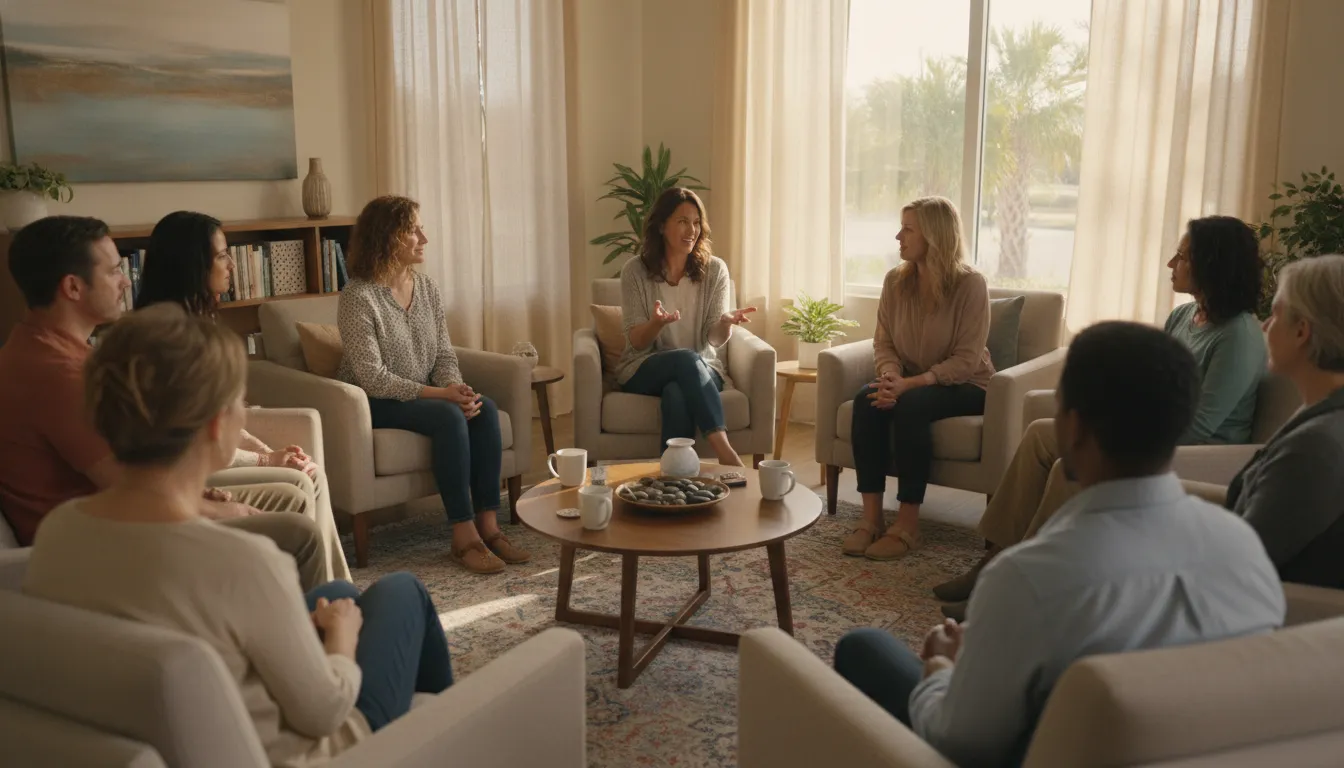
CenterPointe’s clinical team shapes the patient experience through small-group care, individual counseling, family participation, and coordination among masters-level therapists. The team includes professionals with different backgrounds and areas of focus, giving patients access to more than one perspective while keeping care personal and connected.
The CenterPointe Intensive Outpatient Program is designed for adults who need more support than weekly counseling but do not require residential treatment. The program meets Monday, Wednesday, and Friday from 6:00 PM to 9:00 PM, for nine hours per week, with groups limited to approximately 8 to 10 participants. The program is outpatient and does not provide residential or detox services.
That structure can help a patient apply recovery skills in real life while continuing to live at home and manage work or family responsibilities. It is not the right level of care for everyone. A clinical evaluation is needed to determine fit, and CenterPointe can help with an appropriate referral when its outpatient model is not enough.
Patients may receive individual, group, and family therapy. Treatment can include approaches such as Cognitive Behavioral Therapy, Dialectical Behavior Therapy skills, and Motivational Interviewing when clinically appropriate. Family involvement is an important part of the program because addiction often affects communication, trust, routines, and boundaries throughout the household.
To understand the program structure, visit the CenterPointe Intensive Outpatient Program page. To review the broader clinical service model, see substance abuse and mental health treatment in Sarasota.
What Should You Ask an Experienced Addiction Counselor?
The best questions help you understand the counselor’s training, treatment model, communication style, and process for determining whether care is appropriate. Asking direct questions early can help you and your family compare options without relying on vague claims about experience or promises about results.
- What licenses, certifications, and areas of experience do you bring to addiction counseling?
- How do you evaluate substance use alongside mental health, family, and physical-health concerns?
- What level of care do you provide, and when would you recommend a higher level or outside referral?
- How are individual, group, and family therapy used in the treatment plan?
- How will progress be discussed and the plan adjusted when needs change?
- Which services are clinical treatment, and which are complementary supports?
- How do you verify insurance benefits and explain plan-dependent financial responsibility?
- What can a new patient expect during the first evaluation or consultation?
At CenterPointe, insurance eligibility, deductibles, copays, coinsurance, authorization, and final benefits are plan-dependent. The team can verify available benefits for accepted private insurance panels, but verification is not a promise of coverage or payment. Ask questions before treatment begins so you understand what your plan may and may not cover.
Is CenterPointe the Right Outpatient Option for You?
CenterPointe may be worth discussing if you are seeking personalized outpatient addiction treatment in Sarasota, have a stable setting outside treatment, and want structured support that includes individual, group, and family therapy. The team does not offer residential treatment or detox, so the first step is an honest conversation about fit and safety.
Choosing an experienced addiction counselor is not only about counting years. Look for a provider who can explain credentials clearly, listen without judgment, recognize the limits of outpatient care, and connect clinical treatment with your real life. Carrie Phelps’s 30+ years of experience and multidisciplinary training are part of CenterPointe’s foundation, but your care still begins with your story, your goals, and a careful assessment.
CenterPointe Counseling and Recovery is located at 5632 Bee Ridge Road, Unit 101, in Sarasota, Florida, inside MindSpa. For directions and local service information, visit the Sarasota outpatient rehab location page.
Call (941) 488-4811 today to schedule a consultation with CenterPointe Counseling and Recovery.
Frequently Asked Questions
How experienced is Carrie Phelps in addiction counseling?
Carrie Phelps has more than 30 years of experience and serves as CenterPointe Counseling and Recovery’s Clinical Director. Her credentials include LMHC, LMT, and CST-T. A consultation is the best way to discuss how her experience and the CenterPointe team may relate to your specific needs.
What does LMHC mean in addiction treatment?
LMHC means Licensed Mental Health Counselor. The credential reflects graduate-level mental health counseling training. In addiction treatment, that background can support assessment and counseling when substance use occurs alongside concerns such as anxiety, depression, trauma-related symptoms, stress, or relationship difficulties.
Does CenterPointe offer residential treatment or detox?
No. CenterPointe provides outpatient counseling and Intensive Outpatient Program services in Sarasota. It does not offer residential treatment or detox. If a person needs a different level of support, the clinical team can discuss appropriate next steps and referrals.
How large are CenterPointe’s IOP groups?
CenterPointe’s IOP groups are limited to approximately 8 to 10 participants. The smaller format is intended to support personal attention, shared learning, and meaningful participation. The full program also includes individual and family therapy as clinically appropriate.
Can an experienced counselor help with co-occurring mental health concerns?
Addiction and mental health concerns can occur together, but each person’s situation is different. CenterPointe’s evaluation process considers both substance use and mental health needs. The care team can then discuss whether outpatient treatment is appropriate and what additional coordination may be needed.
Does insurance cover addiction counseling at CenterPointe?
Coverage depends on the individual plan, including eligibility, deductibles, copays, coinsurance, authorization, and other benefits. CenterPointe works with accepted private insurance panels and can verify benefits, but verification is not a guarantee of coverage or payment. Call to discuss your plan and questions.