
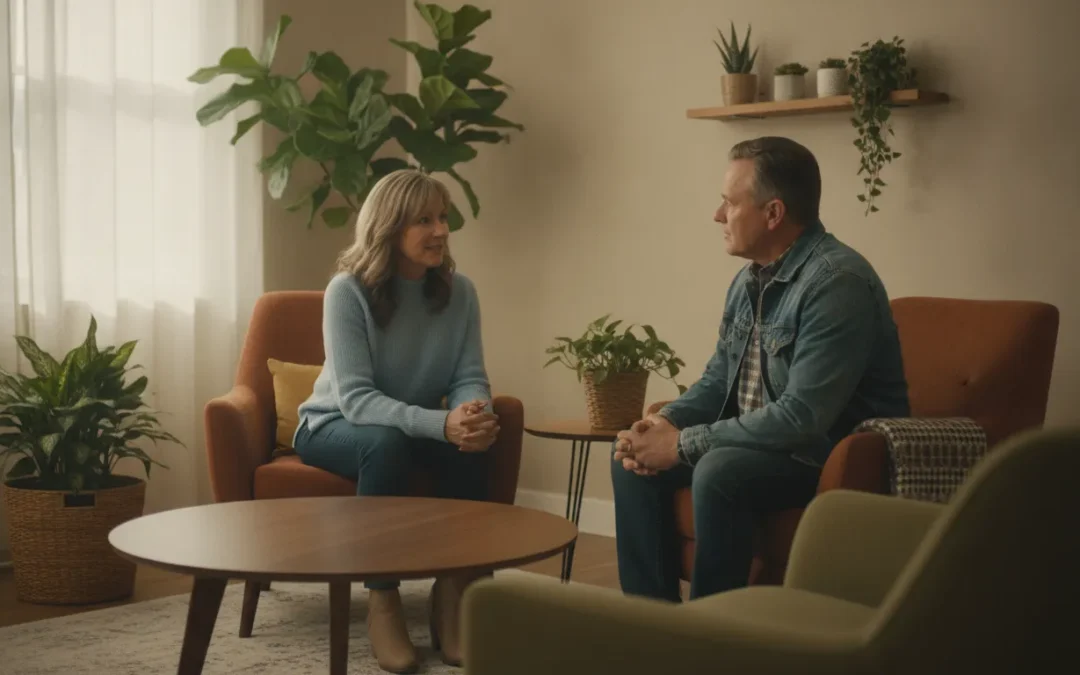
When trauma symptoms and substance use appear together, getting help can feel complicated. Sleep disruption, hypervigilance, intrusive memories, and cravings may reinforce one another, while veterans and other trauma survivors may worry that treatment will feel impersonal or overwhelming. A carefully structured outpatient setting can make room for both concerns without asking someone to leave daily responsibilities behind.
PTSD and addiction treatment sarasota helps by addressing trauma and substance use together in compassionate, trauma-informed outpatient care.
CenterPointe Counseling and Recovery provides small-group Intensive Outpatient Programming in Sarasota for co-occurring mental health and substance use concerns. Its brain-based, heart-centered approach emphasizes dignity, focused attention, and evidence-based care, while adjunctive MindSpa services can complement the clinical program. If insurance and payment questions are part of deciding what comes next, see Insurance Coverage, Cost, and Dual-Diagnosis Treatment at CenterPointe. Understanding why PTSD and substance use often become intertwined is the first step toward choosing care that treats the whole picture.
The Connection Between PTSD and Substance Use Disorder
PTSD and substance use disorder can become closely connected through the brain’s response to threat. After trauma, a person may feel persistently on guard, overwhelmed by memories, or unable to settle into sleep. Alcohol or drugs may seem to offer a fast way to quiet those sensations. This is sometimes called self-medication. It is not a moral failure. Substance use disorder is a treatable chronic disease, not a character flaw, and needing support does not diminish a person’s strength.
Over time, using substances to numb fear, anger, grief, or hyperarousal can create another cycle. Relief may be brief, while cravings, disrupted sleep, withdrawal, and new problems add stress to an already overworked nervous system. Insomnia can increase emotional vulnerability, and trauma reminders can make the urge to use feel immediate. Understanding this pattern helps replace shame with a clinically useful question: What is the person trying to manage, and what safer tools can meet that need?
Research describes co-occurring PTSD and substance use disorder as a more complicated treatment course, with less favorable outcomes than either condition alone. The same review emphasizes the need to address both conditions together. Rather than treating addiction first and postponing trauma care or focusing on PTSD while leaving substance use unaddressed. Integrated psychosocial treatments that target PTSD and substance use symptoms at the same time have shown promising outcomes. Treating co-occurring PTSD and addiction together gives the care team a clearer view of the whole person and the interaction between symptoms.
This matters because the symptoms can reinforce one another. A trauma trigger may lead to substance use, and substance-related consequences may deepen anxiety, isolation, or hopelessness. A thoughtful assessment can identify those connections without forcing someone to disclose more than they are ready to share. In 2022, more than one in six Americans age 12 and older reported experiencing a substance use disorder, according to the CDC. That scale reinforces why compassionate, evidence-based assessment should include mental health, trauma history, sleep, substance patterns, and current safety.
Integrated care does not mean every person receives the same plan. It means treatment is coordinated around the person’s clinical needs, with room to build coping skills, understand triggers, and address trauma at a safe pace. The goal is not to reduce someone to a diagnosis. It is to help them feel understood while developing practical ways to move toward steadier, healthier days.
What Trauma-Informed Care Means in Outpatient Rehab
Trauma-informed care begins with a simple but important understanding: many people seeking help have lived through experiences that continue to affect their sense of safety. Relationships, health, and daily choices. The approach acknowledges the widespread impact of trauma and recognizes that recovery can take different paths. It also aims to prevent re-traumatization by creating an environment where people are treated with respect. Informed about their options, and given room to participate in decisions about care. Mayo Clinic describes trauma-informed care as an approach that understands trauma’s effects and potential paths for recovery.
Safety, trust, and understanding your triggers
In practical terms, this can mean moving at a pace that supports emotional safety instead of demanding disclosure before trust has formed. A therapist may help someone notice what happens before substance use, including memories, conflict, physical sensations, isolation, or overwhelming stress. Outpatient counseling can help people understand addiction, identify triggers, and explore the reasons they use substances, according to the Centers for Disease Control and Prevention. That process is not about blame. It is about replacing shame with useful information and developing safer responses to distress.
For people experiencing both trauma symptoms and substance use concerns, these conversations should address both parts of the picture. A trauma history may influence cravings or avoidance, while substance use may complicate sleep, mood, memory, and relationships. Care is more meaningful when the team can discuss these connections without reducing a person to a diagnosis.
Matching care to clinical needs
Trauma-informed outpatient rehab is not one fixed treatment plan. Evidence-based guidelines recommend matching a person’s clinical needs and circumstances to the appropriate level of care and setting. At CenterPointe, the intensive outpatient program uses small groups of approximately 8 to 10 people. Creating more opportunity for focused attention and a steadier sense of safety than a crowded group can provide. The outpatient structure also gives eligible clients a framework for regular therapy while they continue managing responsibilities and support systems in daily life.
Families and individuals considering care can review Insurance Coverage, Cost, and Dual-Diagnosis Treatment at CenterPointe as they evaluate next steps. The goal is not to force a person into a predetermined path. It is to build clinically appropriate support that honors what happened, recognizes present needs, and helps each client move forward with dignity.
How CranioSacral Therapy Supports PTSD Recovery Alongside Addiction Treatment
Trauma can affect how a person feels in their body, responds to stress, and reaches for substances to manage overwhelming experiences. For that reason, care for co-occurring PTSD and substance use should address more than one dimension of health. Research on integrated treatment describes promising outcomes when PTSD and substance use symptoms are addressed together, rather than treated as unrelated problems. This supports a coordinated approach that may combine medical, psychiatric, psychological, and supportive interventions: integrated care for trauma and addiction.
At CenterPointe, Clinical Director Carrie Phelps, LMHC, LMT, CST-T, offers CranioSacral Therapy as one supportive component of trauma-informed care. This gentle approach is used with the goal of supporting trauma release without retraumatization. Sessions are paced with attention to comfort, consent, and the person’s readiness. The focus is not on forcing a story or requiring someone to relive painful events. It is on creating a respectful setting where the person can notice physical and emotional responses with appropriate clinical support.
A gentle option for people who feel uneasy in institutional settings
Some trauma survivors hesitate to seek help because traditional treatment environments feel stigmatizing, impersonal, or overwhelming. CenterPointe’s MindSpa partnership offers alternative therapies within a more personal, dignity-preserving setting. That distinction may matter to someone who wants care that recognizes the whole person rather than reducing recovery to a diagnosis or symptom list. Small-group treatment can also provide focused attention while preserving connection with others who understand the difficulty of recovery.
CranioSacral Therapy is not a replacement for evidence-based Intensive Outpatient Program (IOP) programming, therapy, clinical assessment, or other services a qualified professional may recommend. It is an adjunctive option that can complement counseling and the structured work of addiction treatment. Outpatient counseling helps people understand triggers and the reasons behind substance use, while integrated care keeps trauma and addiction in the same clinical conversation. Learn more about craniosacral therapy as an adjunctive option and discuss whether this supportive service fits your treatment needs.
Trauma-Informed Outpatient Care vs. Standard Substance Abuse Treatment
Choosing treatment should begin with the person’s clinical needs, not with a one-size-fits-all label. Evidence-based guidance recommends matching the level and setting of care to each individual’s situation. For someone living with both trauma symptoms and substance use. That means asking whether the program understands the connection between the two and can respond without creating additional distress.
Trauma-informed outpatient care is designed to address the underlying trauma and the substance use together. At CenterPointe, this includes an evidence-based outpatient intensive program, small groups of approximately 8 to 10 people, and adjunctive holistic supports. The goal is a structured, respectful environment where clients can identify triggers, understand the reasons they use substances, and practice healthier responses while continuing to live at home.
| Area | Trauma-Informed Outpatient Care | Standard Substance Abuse Treatment |
|---|---|---|
| Focus | Considers underlying trauma, PTSD symptoms, and substance use as connected concerns that may need coordinated attention. | May focus primarily on substance use, with trauma concerns addressed separately or only if they become part of the assessment. |
| Setting | Outpatient care allows clients to stay at home and remain connected to daily responsibilities and support systems. | Some programs use a more intensive, facility-based setting. The appropriate setting depends on clinical needs and safety, not preference alone. |
| Method | Uses integrated PTSD and substance use care, a small group structure, and carefully selected adjunctive holistic supports alongside clinical treatment. | May use a single-diagnosis or substance-focused approach, which can leave trauma triggers less directly explored. |
| Structure | Provides a consistent framework while allowing treatment to fit around work, family, and other life responsibilities when clinically appropriate. | May follow a more rigid schedule or require greater separation from usual routines, depending on the program. |
The difference is not that one setting is always right for everyone. PTSD and substance use can produce unpredictable symptoms, so a reliable outpatient framework can help create continuity while clinicians monitor progress and adjust the plan. Counseling can also make triggers more visible, including situations, memories, emotions, or patterns that precede substance use. That insight supports practical relapse-prevention work rather than asking a person to rely on willpower alone.
At the same time, outpatient treatment is not appropriate for every circumstance. A qualified clinical assessment should determine the right level of care, including whether a person needs medical support, a more intensive setting, or another service before outpatient treatment. For people who are clinically appropriate for outpatient care, a trauma-informed approach offers a way to pursue outpatient rehab in Sarasota without treating trauma as an unrelated side issue.
What Veterans with PTSD and Addiction Should Know About Outpatient Care
Military service can involve experiences that are difficult to explain outside a military community. Combat exposure, repeated danger, loss, moral injury, sexual trauma, and the stress of returning home may affect sleep, trust, mood, relationships, and substance use. Veterans deserve care that recognizes those experiences without reducing them to a diagnosis or asking them to relive trauma before they are ready.
Trauma-informed care starts with safety, respect, and choice. It also includes screening for how traumatic experiences affect mental health and substance use patterns, rather than treating drinking or drug use as an isolated behavior. The Mayo Clinic discusses screening for mental-health effects after traumatic injury. A thoughtful assessment can help clarify whether PTSD symptoms, anxiety, depression, sleep disruption, pain, or triggers are influencing the urge to use.
A bridge between military and civilian life
For some veterans, outpatient treatment offers a practical bridge between military experience and civilian responsibilities. Regular counseling and structured programming can create a dependable place to work on trauma and addiction while remaining connected to employment, family, and community supports. That continuity matters. Skills discussed in treatment can be practiced in real situations, such as handling a crowded store. A difficult conversation at home, a sleepless night, or a work-related stress response.
Outpatient care is not one-size-fits-all. Evidence-based guidance emphasizes matching the level of care to a person’s clinical needs and circumstances. If symptoms or safety concerns require a different setting, a qualified professional can help determine the appropriate next step. The goal is care that is both clinically responsible and respectful of the veteran’s independence.
Finding respectful, veteran-aware support
Many veterans have insurance or benefits that may help with treatment, but coverage depends on the plan, eligibility, network, and services involved. Confirm benefits and authorization requirements directly before beginning care. CenterPointe’s outpatient addiction treatment for veterans can be a starting point for learning how veteran-focused outpatient support may fit your situation.
Asking for help is not a failure of discipline. It is a practical step toward steadier sleep, safer coping, and stronger connections at home. A respectful conversation can begin with what you are experiencing now, what you want to protect, and what kind of support feels workable.
Getting PTSD and Addiction Treatment in Sarasota
Starting PTSD and addiction treatment in Sarasota can feel like a major decision, especially when trauma symptoms, substance use, work, and family responsibilities are all competing for attention. CenterPointe Counseling and Recovery provides outpatient care for people who need meaningful clinical support without stepping away from their daily lives. Outpatient treatment can make it possible to continue work, family commitments, and other responsibilities while participating in regular care. Learn more about outpatient addiction treatment in Sarasota.
The first step is a conversation about what you are experiencing and what kind of support may fit your needs. A free consultation can help you understand the available outpatient options, ask questions about the process, and decide whether CenterPointe is an appropriate next step. There is no need to have every answer before reaching out.
- Reach out by phone to request a free consultation and ask the questions that matter to you.
- Meet with the clinical team for an assessment that considers your trauma history, substance use, symptoms, and current safety.
- Work together to build a personalized outpatient plan at the level of care that fits your needs.
- Begin treatment with individual and small-group support, adjusting the plan as your situation changes.
What outpatient care can look like
CenterPointe is a fee-for-service outpatient center in Sarasota. Care may include individual counseling, group support, and an intensive outpatient program with small groups of approximately 8 to 10 people. A smaller group setting can make it easier to participate honestly while receiving guidance from clinicians who understand the overlap between trauma and substance-related challenges.
Outpatient counseling can help you identify triggers, understand patterns connected to substance use, and build practical strategies for moving through difficult moments. The goal is not to force a person into a preset path. Evidence-based guidance should be matched to the individual’s clinical needs and the level of care that is most appropriate.
Support that respects the whole person
Trauma-informed treatment starts with a compassionate, safe environment. That means listening carefully, protecting dignity, and avoiding approaches that can feel shaming or retraumatizing. It also means recognizing that recovery is strengthened by support systems. With appropriate consent and planning, treatment can help you identify trusted people, healthier routines, and community connections that support progress beyond the counseling session.
CenterPointe also offers MindSpa adjunctive therapies, including CranioSacral Therapy. These services may complement the evidence-based IOP and counseling process, but they are not replacements for clinical addiction treatment. If you are considering care, call (941) 488-4811 to request a free consultation and discuss your situation with the team.
Frequently Asked Questions
How does trauma-informed outpatient care help with PTSD and addiction?
Trauma-informed care starts by recognizing how trauma can affect safety, trust, emotions, and substance use. Treatment should avoid re-traumatization while helping you identify triggers, understand the reasons for using substances, and build practical coping skills. An integrated plan addresses PTSD symptoms and substance use together rather than treating one concern in isolation. Research on co-occurring PTSD and substance use disorder describes integrated psychosocial treatments as promising.
What should veterans look for in a Sarasota treatment program?
Look for clinicians who ask about military experiences, recognize the transition from military to civilian life, and assess how trauma affects both mental health and substance use. A respectful program should explain the treatment plan, protect your sense of control, and offer support suited to your current needs. Veterans can also ask whether the program understands veteran-specific referral and insurance pathways before beginning care.
Can outpatient treatment work if I still have daily responsibilities?
Outpatient care may be appropriate when your clinical needs can be safely managed without residential placement. It provides scheduled counseling and structure while allowing you to remain connected to home, work, family, and other support systems. The right level of care depends on an individual assessment, so ask a qualified professional whether outpatient treatment matches your symptoms, substance use, safety needs, and available support.
Can trauma therapy be combined with other recovery services?
Yes. Trauma therapy can be coordinated with evidence-based substance use counseling, skills training, peer support, and careful clinical monitoring. At CenterPointe, CranioSacral Therapy and other MindSpa services are adjunctive options, not replacements for evidence-based intensive outpatient treatment. Your team should explain how each service fits your plan and adjust care as your needs change.
Ready to Explore Support for PTSD and Addiction?
Trauma-informed outpatient care can provide a compassionate, structured place to discuss PTSD symptoms, substance use, and the next steps that fit your needs. CenterPointe Counseling and Recovery can help you begin that conversation in Sarasota with dignity and without judgment.