

This guide explains what is al-anon for families of alcoholics. Al-Anon supports people affected by another person’s drinking. It gives families and friends a place to share experiences and focus on their own well-being. CenterPointe’s family support resources offer a related professional-care perspective.
Call (941) 488-4811 today for a free consultation.
Al-Anon can be one part of a larger support plan. It is not alcohol treatment for the person who drinks, and it does not replace medical care, counseling, or a level-of-care assessment. CenterPointe Counseling and Recovery offers family therapy and an evening intensive outpatient program in Sarasota for people who need professional addiction support.
What Is Al-Anon for Families of Alcoholics, and How Is It Different from AA?
Short answer: Al-Anon is a mutual-support program for relatives, friends, and other people affected by someone else’s drinking. Alcoholics Anonymous, or AA, is designed for people who want support with their own alcohol use and sobriety. The two fellowships are separate, although both draw on adapted Twelve Step principles.
Al-Anon Family Groups is intended for the person living with the impact of alcohol misuse, not for diagnosing, supervising, or controlling the drinker. A spouse, parent, adult child, sibling, partner, friend, or coworker may consider a meeting when another person’s drinking is creating fear, conflict, uncertainty, or ongoing stress.
The focus is personal recovery from the effects of someone else’s drinking. Members may learn to recognize unhealthy patterns, set boundaries they can maintain, and communicate more clearly. They can make choices based on their own values rather than reacting to the drinker’s behavior. The person who drinks does not need to admit a problem or attend a meeting for someone else to seek Al-Anon support.
Al-Anon is also different from professional treatment. A meeting is peer support, not a diagnostic assessment, medical service, detox program, or substitute for therapy. A family can use a meeting to reduce isolation while seeking clinical care for a loved one or for its own emotional needs.
If you are deciding where to begin, use this simple sequence:
- Check immediate safety and call emergency services for urgent danger.
- Use Al-Anon’s official resources to find a meeting that fits your schedule.
- Ask a qualified professional about family therapy or treatment when peer support is not enough.
For the official description of the fellowship and its teen program, see Al-Anon’s newcomer information. Families seeking a professional perspective can also review SAMHSA family resources on mental and substance use disorders.
Who Should Consider Attending Al-Anon?
Short answer: Al-Anon may be worth exploring if another person’s drinking affects your emotional health, safety, relationships, finances, or daily responsibilities. You do not need proof of a diagnosis, permission from the drinker, or a promise that the drinker will seek help before you look for support for yourself.
People consider Al-Anon for many different reasons. You might be trying to understand recurring conflict, stop taking responsibility for another adult’s choices, or find a healthier response to broken promises. You might be supporting an adult child, living with a partner’s alcohol misuse, or coping with family patterns that began years ago.
- You feel responsible for managing someone else’s drinking. You may be checking, covering up, rescuing, or constantly monitoring the situation.
- Your home life feels unpredictable. Arguments, missed responsibilities, financial strain, or changes in mood may be affecting the family.
- You are losing touch with your own needs. Sleep, work, friendships, health, and personal goals can be pushed aside while you respond to a loved one’s behavior.
- You want support without forcing a decision. A meeting can give you information and connection even if you are unsure what to do next.
- You are affected by a past relationship with alcohol misuse. The drinker may be sober, in treatment, absent, or unwilling to change, while the effects on family members continue.
You can attend because you are worried, confused, exhausted, or looking for a healthier way to respond. You do not have to wait until the situation becomes a crisis. Al-Anon also does not require you to decide whether your loved one has an alcohol use disorder. The focus is on your experience and the choices available to you.
Al-Anon is not a substitute for immediate safety planning. If there is violence, a medical emergency, dangerous intoxication or withdrawal, or a risk of self-harm, contact emergency services or an appropriate crisis resource. A meeting can provide peer support, but urgent risk needs a timely professional response.
How Do Al-Anon Meetings Work?
Short answer: Al-Anon meetings generally give people affected by someone else’s drinking a confidential setting to listen, share, and learn from common experiences. Meeting formats vary, and newcomers can usually attend without a formal referral. You can use the official meeting finder to look for in-person or electronic options.
Many people feel nervous before a first meeting. You do not need to prepare a speech or explain your entire family history. A newcomer may listen quietly, share a first name or another name, and decide how much personal information feels comfortable. Al-Anon emphasizes anonymity and voluntary participation, so you can learn about a meeting before deciding how often to attend.
Meetings may include readings, a topic discussion, personal sharing, or practical reflection. Members speak about their own experiences rather than diagnosing another person or giving orders. The goal is not to create a plan for controlling the drinker. It is to help members understand their choices, protect their well-being, and find support from people who recognize the strain of loving someone with an alcohol problem.
It is reasonable to try more than one meeting. Groups have different formats and personalities, and a meeting that feels uncomfortable may not represent every available option. Look for a setting where you can listen, ask questions when ready, and leave with a clearer sense of your own next step.
According to Al-Anon’s official FAQ, meetings do not require dues or fees, although groups may accept voluntary contributions. Meeting schedules and formats can change, so confirm details through the official Al-Anon meeting resources before attending.
| Support option. | What it offers. | What it does not replace. |
|---|---|---|
| Al-Anon meeting. | Peer connection, shared experience, and reflection for people affected by another person’s drinking. | Medical care, crisis response, or clinical treatment. |
| Family therapy. | Licensed clinical support for communication, boundaries, trauma, and relationship concerns. | Emergency services or a substitute for needed medical care. |
| CenterPointe IOP. | Structured outpatient treatment with group, individual, and family involvement when appropriate. | Inpatient care, detox, or another level of care when an assessment recommends it. |
What Can Family Members Learn Through Al-Anon?
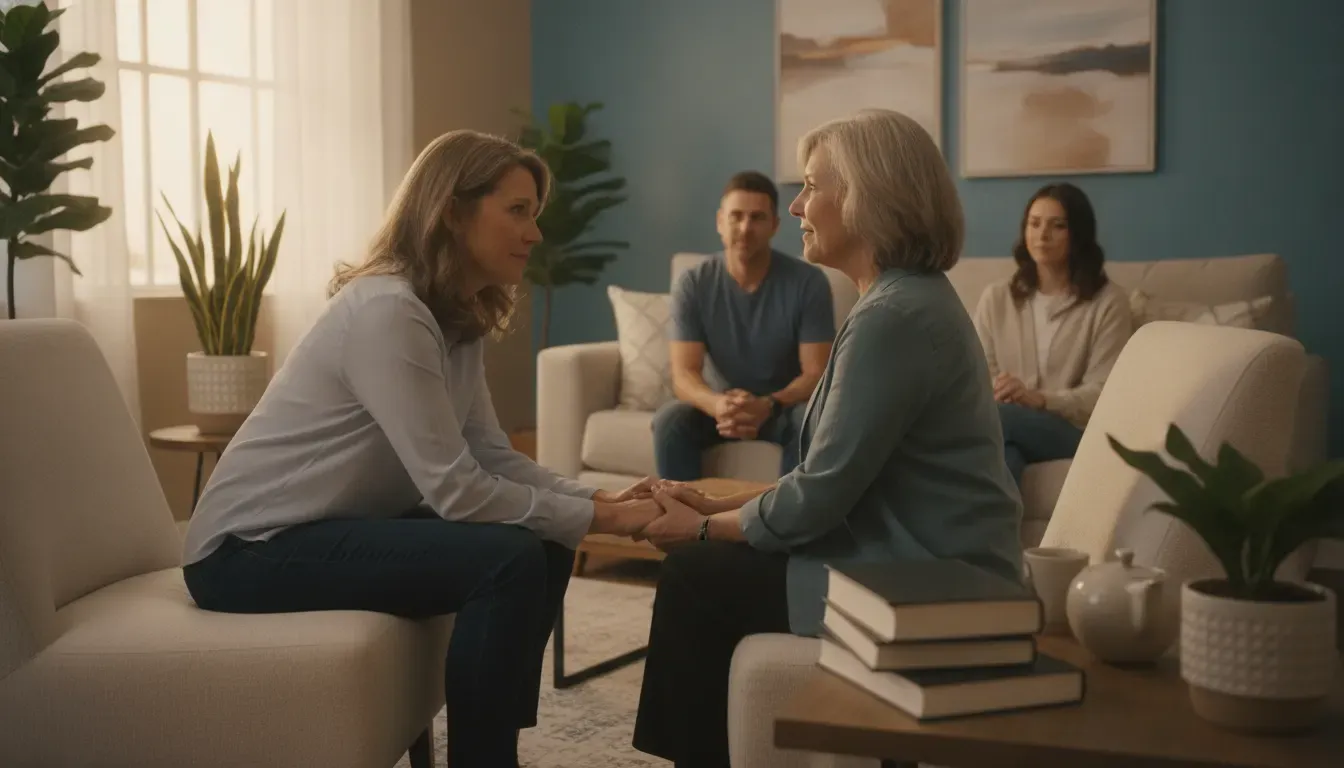
Al-Anon is not a promise that another person will stop drinking. Its value for many families is the opportunity to examine their own responses, regain perspective, and make choices that support personal well-being. The specific experience varies by person and meeting.
Family members may reflect on the difference between support and rescue. Support can include listening, encouraging treatment, or maintaining a caring relationship. Rescue can involve repeatedly covering up consequences, making promises on someone else’s behalf, or taking over responsibilities that belong to another adult. A peer group can help you think through these patterns without requiring a single decision for every family.
Boundaries are another common area of reflection. A boundary describes what you will do to protect your safety, time, finances, or emotional health. It is not a demand that another person behave differently. For example, a person may decide not to argue during intoxication, not to provide money for alcohol, or to leave a conversation when it becomes threatening. A licensed professional can help you consider safety and communication in the context of your own situation.
Family members may also need support for grief, anxiety, anger, shame, or the effects of long-term instability. Al-Anon can offer shared experience, while therapy can provide individualized care for trauma symptoms, depression, anxiety, relationship conflict, or other concerns. These supports can be complementary, but neither gives a family member control over another adult’s recovery.
Can Al-Anon Be Combined with Professional Family Therapy?
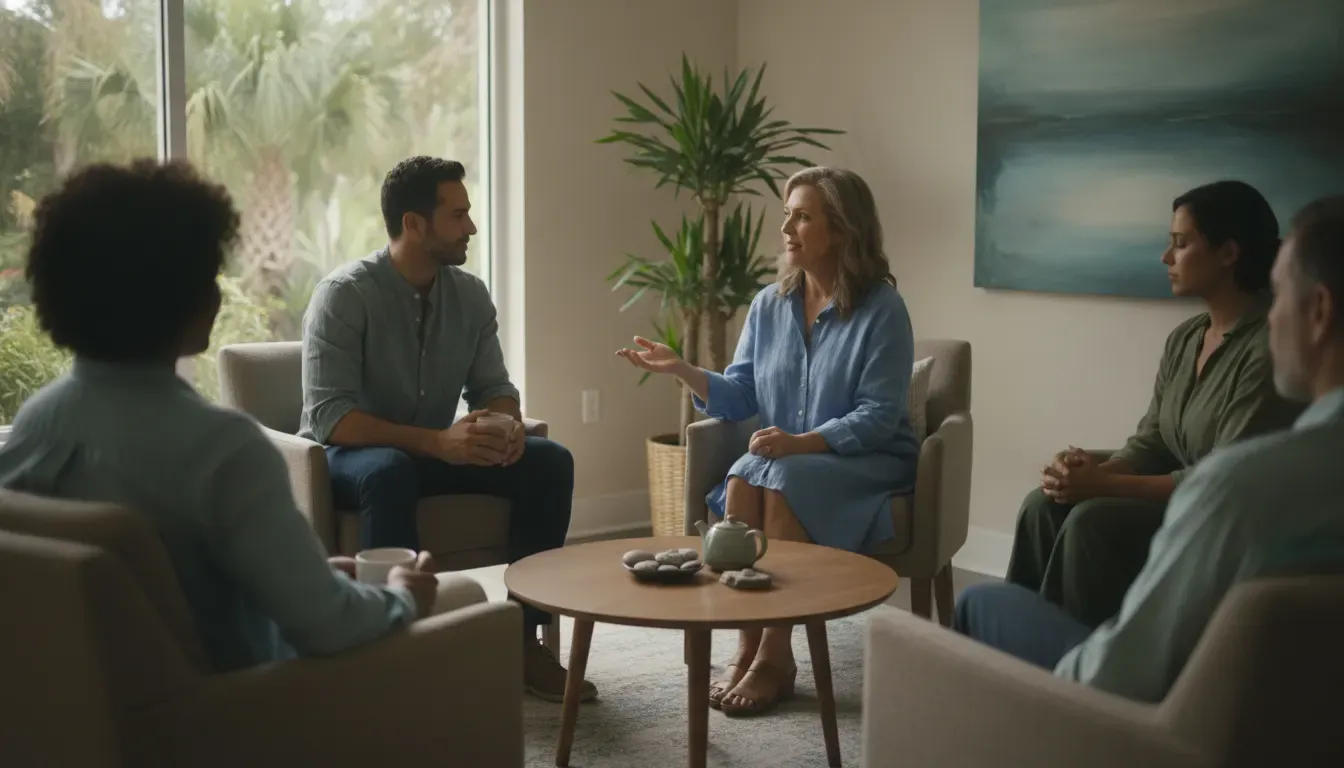
Short answer: Yes. Al-Anon and professional family therapy serve different purposes and may complement one another. Al-Anon offers peer connection and shared experience. A licensed therapist can help a family address communication, boundaries, trauma, co-occurring mental health concerns, and treatment decisions within a confidential clinical relationship.
Peer support can reduce isolation, while counseling can provide an individualized assessment and a structured place to work on specific family patterns. A therapist may help family members practice a conversation, decide what boundaries they can maintain, or understand how substance use and mental health symptoms affect the household. Neither option requires a family member to take responsibility for another adult’s recovery.
CenterPointe’s family counseling resources and substance abuse and mental health treatment are professional services, not Al-Anon meetings. The appropriate support depends on the family’s needs, the person’s level of risk, and whether the loved one is ready for treatment.
Families can also learn more about the difference between peer support and clinical care through the Holistic Recovery Therapies, Family Support, and Trust Building pillar. That page provides broader cluster context, while this article focuses specifically on understanding Al-Anon.
How Does Family Support Fit into CenterPointe’s Sarasota IOP?
Short answer: CenterPointe’s Sarasota Intensive Outpatient Program, or IOP, includes family involvement alongside group and individual therapy for appropriate participants. It is an outpatient program, not residential treatment or detox. The clinical team evaluates each person’s needs and may recommend another level of care when IOP is not the right fit.
CenterPointe’s IOP meets Monday, Wednesday, and Friday from 6:00 PM to 9:00 PM, for approximately nine hours each week. Groups are limited to 8 to 10 people, and the program addresses recovery education, coping skills, relapse prevention, communication, and family concerns. Family members or support persons participate as part of the treatment structure when clinically appropriate.
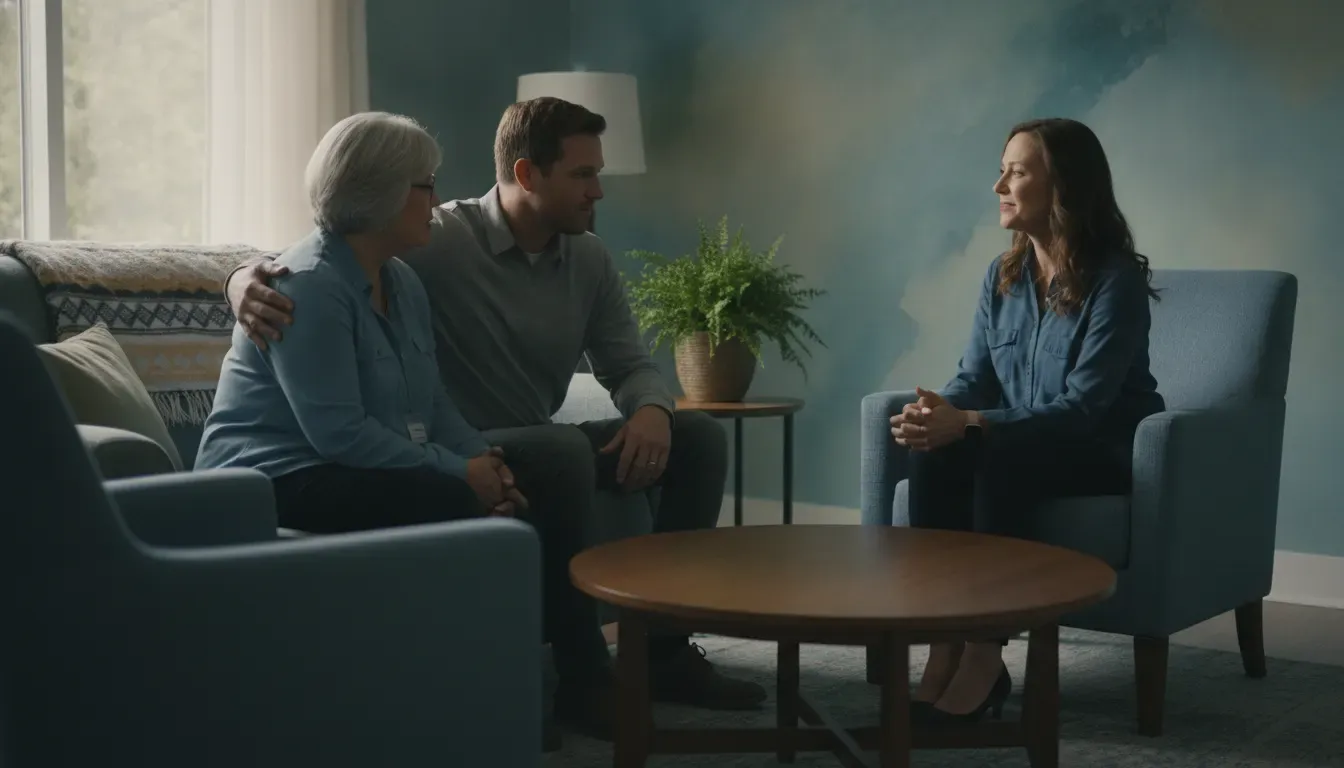
Family therapy can help participants and loved ones discuss the impact of substance use, practice communication, and build realistic boundaries. It is not the same as an Al-Anon meeting. A family may choose both, using Al-Anon for ongoing peer support and clinical services for individualized treatment planning.
CenterPointe serves Sarasota and surrounding communities, including adults with private insurance coverage through listed in-network panels. Benefits, deductibles, copays, authorization, and eligibility are plan-dependent and must be verified before treatment. CenterPointe does not accept Medicare or Medicaid according to its published coverage information.
Call (941) 488-4811 to discuss family support and treatment options in Sarasota.
Frequently Asked Questions About Al-Anon
Is Al-Anon only for spouses of people who drink?
No. Al-Anon is open to people whose lives are affected by someone else’s drinking, including spouses, partners, parents, adult children, siblings, friends, and coworkers. The relationship does not need to fit one specific pattern, and the drinker does not need to attend, admit a problem, or agree that support is needed.
Is Al-Anon the same as Alcoholics Anonymous?
No. Al-Anon supports people affected by another person’s drinking, while Alcoholics Anonymous supports people working on their own alcohol use and sobriety. They are separate fellowships. A family member may attend Al-Anon even if the person who drinks is not attending AA or receiving treatment.
Does the person who drinks have to want help before I attend?
No. Al-Anon is designed to support the family member or friend, whether or not the person who drinks recognizes a problem or seeks care. Your decision to attend is about your own well-being and understanding, not a way to force someone else into treatment.
Does Al-Anon provide professional addiction treatment?
No. Al-Anon is a peer-support fellowship, not a medical or clinical addiction treatment program. Professional treatment may be appropriate when someone needs assessment, counseling, medication coordination, withdrawal guidance, or structured care. A qualified provider can help determine the safest level of support.
Can I attend Al-Anon and family therapy at the same time?
Yes, people may use peer support and professional counseling for different needs. Al-Anon can offer shared experience and ongoing connection, while family therapy can address specific communication patterns, boundaries, trauma, and treatment planning. Tell your therapist about outside support so care can remain coordinated and appropriate.
How can I find an Al-Anon meeting?
Use the meeting information and newcomer resources on the official Al-Anon website to search for current in-person or electronic options. Meeting times and formats vary by local group. If you are seeking clinical support in Sarasota, call CenterPointe at (941) 488-4811 to discuss whether family counseling or an IOP evaluation may fit your needs.
Al-Anon can be a meaningful starting point for families living with the effects of alcohol misuse. You do not have to solve another person’s drinking before asking for support, learning healthier boundaries, or speaking with a qualified professional about the next step.
Call (941) 488-4811 today to talk with CenterPointe Counseling and Recovery.